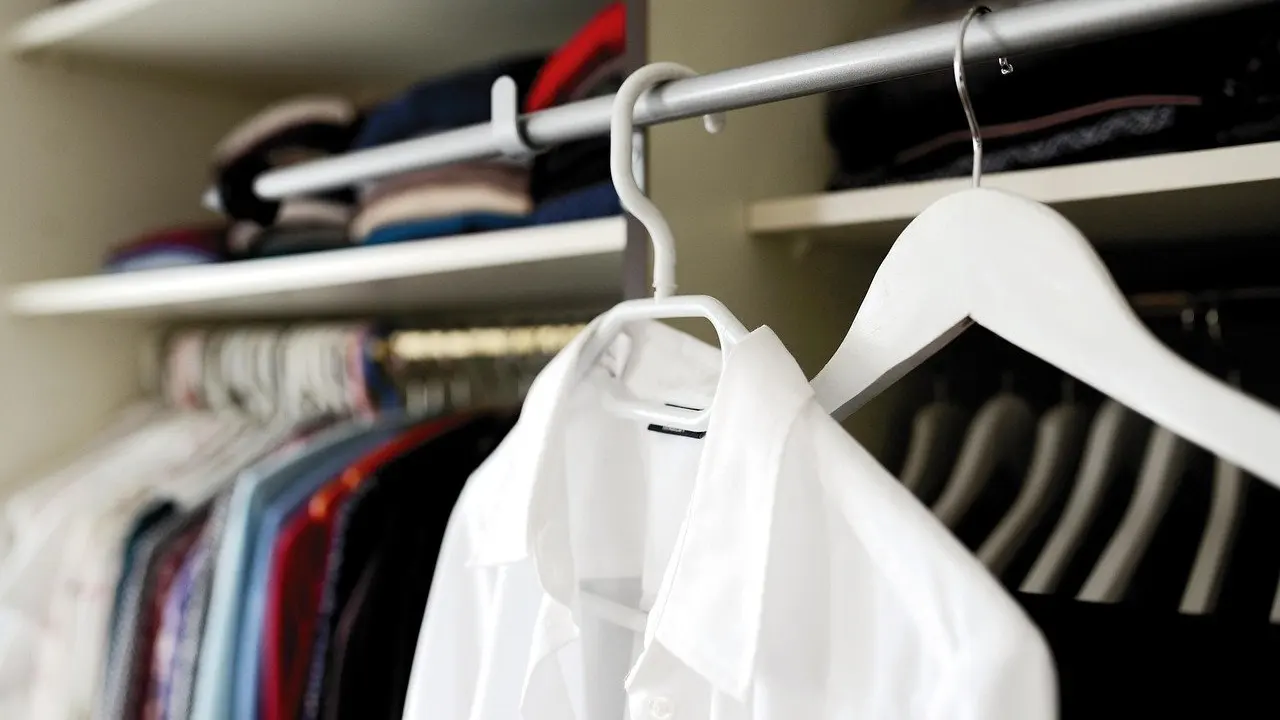
Staring at a full closet and still having nothing to wear is the usual starting point. Here’s how to build a capsule wardrobe: keep clothes you wear often that fit well and are in good condition, then fill gaps with a few versatile neutral pieces.
The routes below start from where you are: an overstuffed closet, a nearly empty one, a week that mixes casual and dressy days, or no clear sense of style yet. Pick the route that matches, then use the checklists to apply it to your own rail.
Choose your starting route
A capsule wardrobe works because every piece has a job, so the right first move depends on what you already own. If you want the idea explained plainly before you begin, read Capsule Wardrobe Made Simple: How To Build A Stylish, Low-Stress Closet In 2026 – Carnalnation. The sections here turn that idea into decisions you can make with your own clothes in front of you.
- My closet is overfull. Start with the audit in “Editing the closet you already own”, then move on to the week-based sizing.
- I am starting nearly from scratch. Go straight to the wardrobe staple checklist, then read the fabric and fit sections before you spend anything.
- My week mixes very different dress needs. Use “Sizing a capsule around your week” so each kind of day gets the right number of outfits.
- I do not know what I like. Read the color palette and personal style sections, which work from what you already wear and feel good in.
- Clothes never seem to sit right. Go to the fit checks and the FAQ at the end.
Whichever route you take, finish with the fit and color checks. They decide whether the pieces you keep are the ones you actually reach for.
Editing the closet you already own
The most reliable way to start is to test what you own against three plain questions. One capsule-wardrobe guide from a sustainable clothing brand puts them as: do you wear it often, is it in good condition, and does it fit well. A garment that passes all of them is a keeper. A garment that fails the first has told you something about your real life, however much you like it on the hanger.
An audit you can run this weekend
- Take everything out of one area at a time. Work through a rail, a shelf or a drawer so you can judge garments against each other, not in isolation.
- Ask the audit questions of each garment. Be literal about “often”: think of the last time you chose it, not the occasion you bought it for.
- Keep what passes. These pieces become the working core of your capsule, and they are also your best evidence about your taste.
- Hold the near-misses apart. A garment that fails only on condition or fit is worth repairing or altering only if you would wear it often afterwards. If you would not, release it.
- Write down the gaps. If you keep reaching for the same outfit because nothing completes another, that missing piece is your shopping list.
Why closets get overfull in the first place
The author of The Mom Edit names a specific habit that undermines a capsule: buying things because they feel exciting, not because she feels great wearing them. That distinction is a useful test at the till. Before you buy, ask whether you can picture wearing the item on an ordinary day, and with pieces you already own. If the appeal is mostly the thrill of the purchase, it is likely to end up in the pile you are about to clear.
Sizing a capsule around your week
The size of your wardrobe should follow how you live, not a target number of items. The Mom Edit splits wardrobe needs into five categories: loungewear, athletic wear, casual, polished casual and dressy. Her sizing rule is that your needs depend on how many times each month you need an outfit in each category.
That makes the exercise concrete. Take a calendar for a typical month, tally the days that fall into each category, and let the tallies set the weight. A category that fills most of your days deserves the most thought and the best pieces. A category you need rarely should be small and well chosen. This is the function-first approach: you decide what your clothes must do before you decide what they should look like.
Loungewear and athletic wear
These categories are easy to overlook because they are mostly seen at home or at the gym. Count them honestly anyway. If you spend a large share of the month in them, comfort should drive the choices here. If you rarely need them, a small supply is enough, and anything you own beyond that is a candidate for the audit.
Casual and polished casual
For most readers these two categories carry the majority of the wardrobe, and they are where the staple checklist below pays off. Casual is the everyday layer. Polished casual is the step up for work and social settings that call for more effort without a formal dress code. If your workplace or social circle uses vague terms, read what is business casual and smart casual vs business casual to see where the lines fall, then assign your own clothes to the right category.
Dressy
Dressy clothes are worn least, so they should be the fewest and the most carefully fitted. A single reliable outfit that you feel confident in will usually do more for you than several pieces that are each worn once. When an invitation specifies a dress code, what is cocktail attire explains what that term asks of your outfit.
Wardrobe staple checklist
Vogue names six key clothing items as the essential building blocks for any capsule wardrobe: a white shirt, straight-leg jeans, knits, a black dress, tees and tanks, and black trousers. The table turns that list into a shopping and audit tool, with black jeans added as an optional extra.
| Staple | What to look for | Planning use |
|---|---|---|
| White shirt | Cotton poplin or linen styles that breathe and hold their shape | The piece that lifts casual outfits toward polished casual |
| Straight-leg jeans | A mid-rise straight cut in classic indigo, fitted so you feel good whenever you put them on | Your everyday casual anchor; choose these before any other denim |
| Black jeans (optional extra) | Sleek, slimming, and a bit dressier than typical blue jeans | Worth adding if your calendar has more polished casual days than casual ones |
| Knits | High-quality cashmere or wool that improves with age and wear | The layer you will repeat most often, so spend on quality here |
| Black dress | A flattering silhouette that makes you feel confident every time | Your dressy anchor; skip it if dresses are not part of how you dress |
| Tees and tanks | White, black, grey and navy; a few in each color you wear most, in quality that keeps its shape | The highest-turnover items, so buy them to match your real color habits |
| Black trousers | A cut that flatters your silhouette and works for office presentations and dinner dates | The bridge between polished casual and dressy days |
The six items and most of the fabric and cut guidance come from Vogue’s capsule wardrobe guide, while the black jeans description and the advice on buying tees in the colors you wear most come from Molly Sims’ essentials list.
How to use the checklist
Tick each row you already own and that passed your audit, then look only at the unticked rows that match a category you actually need. A checklist is a prompt, not a mandate. A black dress is a poor purchase if you never wear dresses, and a second kind of denim is a poor purchase if the first fills your casual days. Buy in the order of how often you will wear the piece: tees and jeans before the dress, because they work harder.
Quality matters most where the repeat wear is highest. The same list warns that low-quality tees stretch out and lose their shape, which is a practical reason to treat the humblest item on the list as a real purchase.
Fabric and care
Fabric should be chosen for the job the garment has to do. Vogue’s advice shows this clearly: a white shirt should be cotton poplin or linen that breathes and holds its shape, while knitwear is where high-quality cashmere or wool pays back because it improves with age and wear. The garment’s job, whether staying crisp, layering or being worn repeatedly, tells you which property to look for.
If you want a general direction for sustainable choices, the capsule guide from the sustainable clothing brand suggests looking for natural and sustainable materials such as organic cotton. For denim, a designer quoted by Yahoo Style says her own denim is 100% cotton with natural stretch. That is one designer’s statement about her product, so treat it as an example of what to read on a label, not a rule for every pair.
A short fabric checklist
- Read the fiber content first. It tells you more about how a garment will behave than the price or the brand.
- Match fabric to function. Breathable and shape-holding for shirts, long-wearing quality for knits, shape retention for tees.
- Check the care instructions before buying. A garment you cannot realistically care for will not stay in rotation.
Care that protects the capsule
Because a capsule has fewer pieces, each one is washed and worn more often, so care matters more than in a crowded closet. The brand guide above advises avoiding the dryer, as it can damage clothes and cause them to shrink. Check each care label before deciding how to treat a garment; laundry symbols meaning explains how to read the symbols.
Fit checks before you commit
Clothes should fit so that you feel good in them whenever you put them on and so that they flatter your silhouette. That is the common thread in the capsule guides. Molly Sims describes the right jeans as ones that fit perfectly so that you feel good no matter when you put them on, and Vogue asks for a flattering silhouette in both the black dress and the black trousers.
The audit questions use the same standard: a keeper must fit well. For outerwear, the designer quoted by Yahoo Style says that if she could have only one jacket she would choose a well-tailored piece with structure and shape. A jacket is the garment where structure shows most clearly, so it is the piece to buy well-tailored or to have altered.

Four tests to run in the fitting room
- The comfort test. Wear the garment through the movements of your usual day. If you notice it, ask whether you will still want it on after a long day.
- The silhouette test. Look at the whole outline in a full-length mirror, not just one part. The question is whether the shape flatters you, as Vogue puts it for the dress and trousers.
- The occasion test. Imagine the garment in the setting you bought it for. Black trousers, for example, should work for office presentations and dinner dates alike.
- The repeat test. Ask whether you would be happy to put it on any day. If it fits only when conditions are perfect, it fails the standard above.
If you are unsure which cuts suit your frame, how to dress for your body shape goes through that question in detail.
Color palette
A neutral color palette is the quickest way to make a small wardrobe flexible. Vogue says versatility and a neutral color palette are essential to unlocking your own sense of style, and the logic is practical: when the base pieces share a limited range of colors, nearly any top works with nearly any bottom, so a few garments produce many outfits.
Neutrals do not need to be dull, and they do not need to be identical for everyone. Molly Sims suggests buying just a few crewnecks in each of the colors you will wear most. That is the right way to think about color: let your own habits choose the palette. Look at the keepers from your audit and note which shades keep appearing. Those shades, not a trend or someone else’s list, are the backbone of your palette.
Professional color help can sharpen that choice. The author of The Mom Edit found the color work from her style exploration incredibly helpful, and the image typing probably less so. The takeaway is to spend your effort on which colors suit you and work together before worrying about labeling an overall aesthetic.
A palette checklist
- Base: the neutral shades you will build most outfits around.
- Repeat colors: the shades you already wear most often, bought in multiples for tees and other basics.
- Accents: additional colors that earn a place only if they work with your base and pass the wear test.
Finding your personal style
To find your personal style, start with what you already wear and feel comfortable in. The capsule guide from the sustainable clothing brand frames this as a set of questions: what colors, patterns and silhouettes do you feel most comfortable in? Your answers are more reliable than inspiration images, because they describe how you actually live.
The closet audit gives you the evidence. Lay out the pieces that passed and look for what they share: a color family, a pattern you gravitate toward, a cut that appears again and again. That overlap is your style in practice. Gaps between that overlap and the clothes you wish you wore are where to experiment, carefully and one piece at a time.
If you want a more structured process, How To Find Your Style: A Practical 2026 Guide To Building A Signature Look – Carnalnation takes the question further. If a specific look draws you, such as the one in Old Money Aesthetic Outfits: A Modern Guide To Timeless, Effortless Elegance (2026) – Carnalnation, test it the same way: does it match the colors, silhouettes and categories your week requires? An aesthetic worth adopting should be wearable in your real month, not just attractive in a photograph.
Outfit basics and layering
Outfit basics are the repeatable formulas your staples allow. The simplest is a base layer, a bottom and a jacket, with a knit available when you need another layer. Because the pieces share a neutral palette and have been fitted properly, you can swap them freely without checking whether they go together.

The jacket is the piece that does the most to finish an outfit. The designer quoted by Yahoo Style would choose one with structure and shape if limited to only one. Think of it as the item that lets simple pieces underneath look deliberate, which is why it deserves a good fit before anything else in the layering stack.
Build outfits by category. Make a few formulas for the category you wear most, and test each against your actual week before you buy something new to complete it.
Accessories that change the look
Accessories give a neutral capsule its variety. The brand capsule guide notes that you can add accessories like scarves, jewelry and hats to change up your look, which means the clothes can stay constant while the details shift from day to day.
Choose them for function first. Molly Sims calls a good leather tote non-negotiable, and the version she recommends is large and spacious. The reasoning is practical: you carry the bag every day, so it has to hold what your routine requires. A scarf, a piece of jewelry or a hat is then the inexpensive way to alter an outfit without adding more clothing to the closet.
Keep accessories within your color palette too, so that each new item multiplies the combinations you already have instead of requiring new outfits to go with it.
Dressing for specific occasions and grooming
A capsule covers daily life, but occasions with a stated dress code are where your polished casual and dressy pieces get tested. These guides take over where this one stops:
- Work and interviews. Your polished casual pieces are the starting point; What To Wear To An Interview: A Practical 2026 Guide To Dressing For Confidence And Fit – Carnalnation covers how to apply them to the day.
- Semi-formal events. When the invitation sits between casual and formal, What To Wear To A Semi-Formal Event: Stylish, Appropriate Outfits For 2026 – Carnalnation helps you choose.
- Formal weddings. Check the dress code against your dressy category, then read What To Wear To A Formal Wedding: Classic Looks And Practical Rules For 2026 – Carnalnation.
- Funerals. A respectful outfit calls for care in the details, which What To Wear To A Funeral: A Practical, Respectful Guide For 2026 – Carnalnation sets out.
- Passport photos. The clothing you choose has to meet requirements as well as look natural, and What To Wear For Your Passport Photo: Simple Rules To Look Natural And Meet Requirements (2026 Update) – Carnalnation covers that.
- Hair and grooming. They are part of the finished look; How To Style A Mustache: The Practical 2026 Guide To Shape, Care, And Effortless Grooming – Carnalnation and How To Style A Butterfly Haircut: Effortless Flowy Looks For 2026 – Carnalnation cover two specific styles.
When an occasion needs something your capsule lacks, buy for the category, not the one event: a dressy piece that fits well and suits your palette will serve many invitations.
Frequently asked questions
| Question | Answer |
|---|---|
| Does a capsule wardrobe have to use only natural fibers? | No. It is one person’s choice. The author of The Mom Edit limits her wardrobe to natural fibers, excluding workout clothes, and says the rule gave her permission to decline pieces that did not fit it. Adopt a fiber rule only if it suits you. |
| Can comfort count as a style rule? | Yes. The Mom Edit treats comfort as a constraint when choosing clothes, and says counting it helped her give herself permission to skip pieces. A constraint like this narrows your choices to clothes you will wear. |
| How do I remember which outfits work? | One capsule guide recommends photographing outfit combinations and saving them in a folder on your phone, so you can pick from them on busy mornings. |
| What if off-the-rack clothes never fit me? | It is a common problem. The author of The Mom Edit says she is too petite to buy straight off the rack without fit issues. If that sounds familiar, plan for alterations as part of the cost of key pieces, and judge each purchase by the fit it reaches once altered. |