| Reader situation | Habit to change | Planning use |
|---|---|---|
| Bed and wake times drift | Same bed and wake times daily, within a 7-9 hour night for most adults | Pick the wake time first, then work backwards to a bedtime that leaves room for 7-9 hours. |
| Evenings are screen-heavy | Devices away for 30 minutes to an hour (or more) before bed; an hour reserved to wind down | Start with the shorter device break and stretch it toward the full hour. |
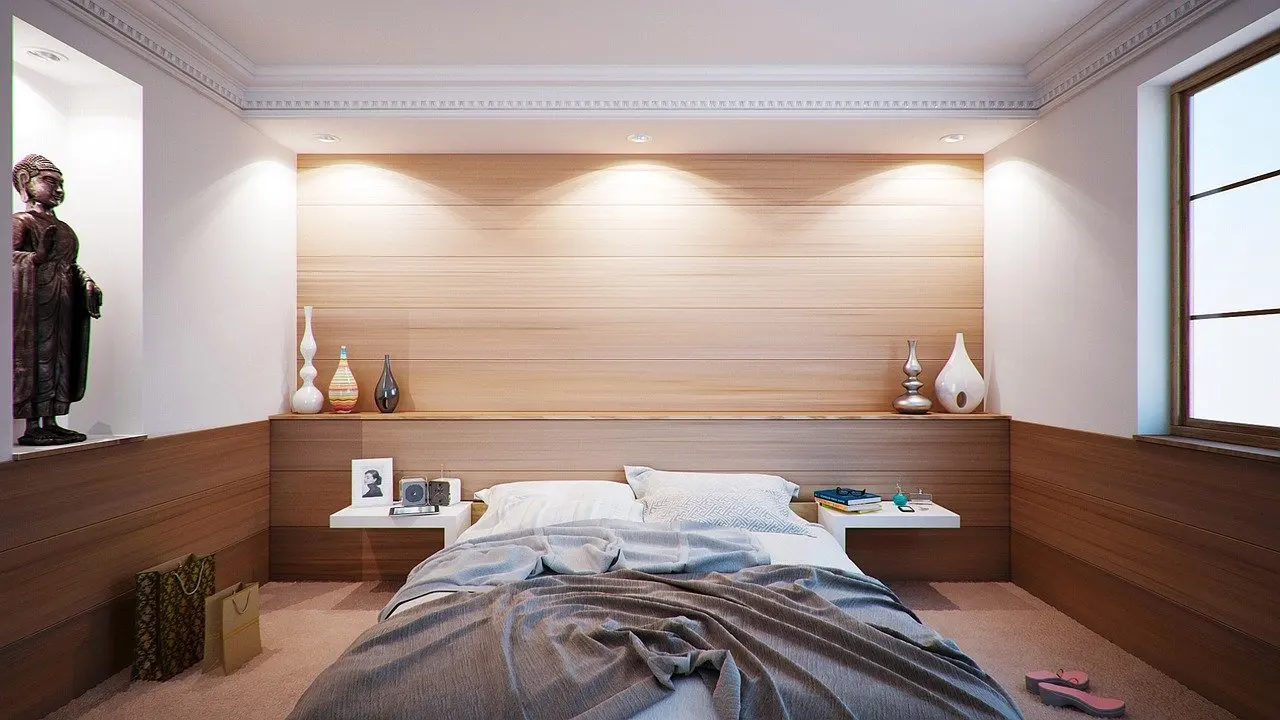
| Bedroom is bright or warm | Room at about 65°F to 68°F at night; light-blocking curtains or shades if outside lights shine in | Adjust the thermostat and cover the windows before buying anything else. |
| Daytime habits run late | Evening meals at least 3 hours before bed; no caffeine after lunch if it keeps you awake; exercise not within 2 hours of bedtime for many people; naps of half an hour or less | Move whichever habit sits closest to bedtime first. |
Figures come from Harvard Health and the Sleep Foundation.
These sleep hygiene tips focus on habits you can adjust quickly: keep steady bed and wake times, dim the evening, cool and darken the bedroom, and move caffeine, meals and exercise away from bedtime.
Harvard Health describes sleep hygiene as a set of practices and routines that help you get better sleep. They fit naturally into how to build a daily routine, so change the habit that matches your situation rather than overhauling everything at once. The ten habits below are grouped by the problem they solve.
When your days and nights drift
An irregular schedule is the most common reason sleep feels unrefreshing, and it is also the cheapest to fix. Two habits matter here: fixed times and early light.
Keep the same bed and wake times
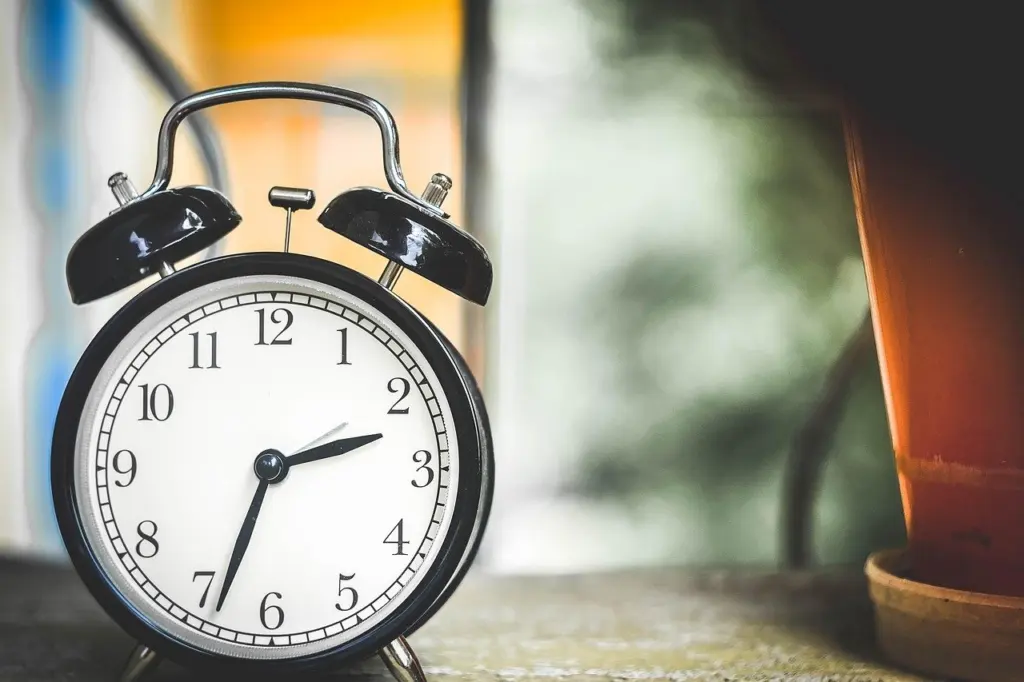
A consistent sleep schedule is the foundation of the rest. Harvard Health notes that expert recommendations have traditionally emphasized going to sleep and waking up at the same time every day, and it points to a consistent schedule of seven to nine hours per night for most adults. That answers the question of how many hours you need: aim for the 7-9 hour band, then check how you feel at the lower and upper ends.
Weekends are where schedules usually break. Harvard Health says that after a week with insufficient sleep, some catch-up sleep on weekends may be beneficial. Treat that as recovery after a short week, not as a standing plan, because a large weekend shift undoes the steady wake time you are trying to build.
Get daylight early in the day
Your circadian rhythm, the body’s internal timing system, responds to light. The Sleep Foundation says a dose of natural light early in the day can help normalize your circadian rhythm. If you work indoors, that is a reason to open the curtains at your wake time or take the first coffee near a window. It pairs well with a fixed wake time, because the light then arrives at the same point every day.
When evenings are bright and busy
Evening light and stimulation delay the shift toward sleep, so this group suits anyone who scrolls, streams or works late.
Put devices away before bed
Yes, screen time affects sleep, mainly through light and stimulation. The Sleep Foundation says avoiding bright light late in the evening, from phones, TVs or laptops, can help you transition to bedtime, and that light from electronic devices can suppress your natural production of melatonin, the hormone linked to sleep timing. The blue light from screens is the usual shorthand for this effect.
The practical advice is to disconnect for 30 minutes to an hour, or more, before going to bed. If an hour feels unrealistic, start with the shorter end and move your charger out of the bedroom so the habit holds without willpower.
Reserve an hour to wind down
Falling asleep is a process rather than a switch. Cleveland Clinic says it begins about an hour before your head hits the pillow, and Harvard Health advises reserving an hour before bedtime to wind down away from stressful, stimulating activities. This is the most useful answer to how to fall asleep faster, because it gives your body a runway rather than asking it to drop off on demand.
Pick low-stimulation activities and keep them the same each night. If racing thoughts are what keep you up, the techniques in how to reduce stress are a better place to start than a new gadget.

When the bedroom works against you
If you sleep badly only at home, the room itself is the first suspect. Temperature and light are the two things you can control without buying much.
Cool the room
Harvard Health suggests keeping room temperature around 65°F to 68°F at night, and the Sleep Foundation reports that most research supports sleeping in a cooler room of around 65 to 68 degrees. Cleveland Clinic notes that some experts recommend 60 to 67 °F (15 to 19 °C).
So the best temperature for sleeping is a cool one, and the overlap of the sources sits at about 65 to 67°F. Use that band as a starting point, not a target to hit exactly. If you wake cold or hot, adjust within or just below the range and change one thing at a time so you can tell what helped.

Block outside light
Harvard Health advises minimizing light and considering light-blocking curtains or shades if outside lights shine into your bedroom. This suits street-facing rooms and shift workers who sleep when it is bright. If your room is already dark, skip this step and put the effort into the evening habits above.
When daytime habits spill into the night
Some of the biggest sleep disruptors happen hours before bed. These four habits suit people who do everything else right and still lie awake.
Trim caffeine and alcohol
Harvard Health says to avoid caffeine after lunch if it keeps you awake at night, which makes the cutoff personal: if you sleep fine after an afternoon coffee, you do not need to give it up. Alcohol is different. Harvard Health notes that it can worsen snoring and reduce REM sleep, so a nightcap that helps you feel drowsy does not mean better sleep.
Eat earlier
Harvard Health recommends consuming evening meals at least three hours before bedtime. If your dinner tends to land late, planning ahead helps, and meal prep for beginners shows how to have food ready so a late-evening meal is less likely.
Time your exercise
For many people, Harvard Health says, exercising within two hours of bedtime interferes with falling asleep. Move a workout earlier if you notice this. Gentle stretching can stay in the wind-down hour, since the concern is stimulation rather than movement itself.
Keep naps short
Harvard Health reports that sleep experts recommend naps of half an hour or less. Cleveland Clinic is more specific: keep a nap to 10 to 20 minutes and take it early in the afternoon. If you struggle to fall asleep at night, drop the nap for a few days and see whether bedtime comes easier.
Choosing where to start
You do not need all ten habits at once. Match the first change to the pattern you recognize.
- You wake groggy and your days vary: start with a fixed wake time and morning daylight.
- You are tired but wired at bedtime: start with the device break and the wind-down hour.
- You sleep worse at home than elsewhere: start with room temperature and outside light.
- You sleep well some nights and badly on others: start with the latest caffeine, meal, workout or nap of the day.
Frequently asked questions
| Question | Answer |
|---|---|
| How can I fall asleep faster? | The Sleep Foundation advises focusing on relaxing instead of trying to fall asleep. Cleveland Clinic lists taking more than 20 minutes to fall asleep at night as a sign of poor sleep hygiene, so a regular delay that long is a cue to review your evening habits. |
| Can I use a device in bed if it plays something calming? | Harvard Health advises putting away electronic devices except when they are used for calming music or a guided relaxation routine. |
| Why does getting enough sleep matter? | Harvard Health cites the CDC in saying more than one-third of U.S. adults do not get enough sleep. The Sleep Foundation says research has shown that getting 7 or more hours has positive effects on almost every aspect of health. |