What do you wear to a formal wedding is a common question for guests. The phrase sets the tone for outfit choices. This guide lists clear rules. It shows classic looks and modern updates. It helps guests choose clothing that fits etiquette and style.
Key Takeaways
- Dressing for a formal wedding means choosing elevated evening fabrics and refined cuts that align with the event’s time, venue, and cultural expectations.
- Women should opt for floor-length gowns in silk or satin with modest necklines and tasteful embellishments, balancing classic styles with a modern detail like a bold color.
- Men should wear black or midnight-blue tuxedos or sharp wool suits, pairing them with polished leather shoes, coordinating belts, and ties or bow ties for a complete formal look.
- Accessories like a compact clutch, classic watch, and subtle jewelry enhance the outfit without overpowering it, while proper grooming and confident posture finish the look.
- Guests must avoid white to not upstage the bride, respect cultural dress codes, and prioritize comfort and fit to enjoy the ceremony and reception fully.
Understand Formal Wedding Dress Codes And Expectations
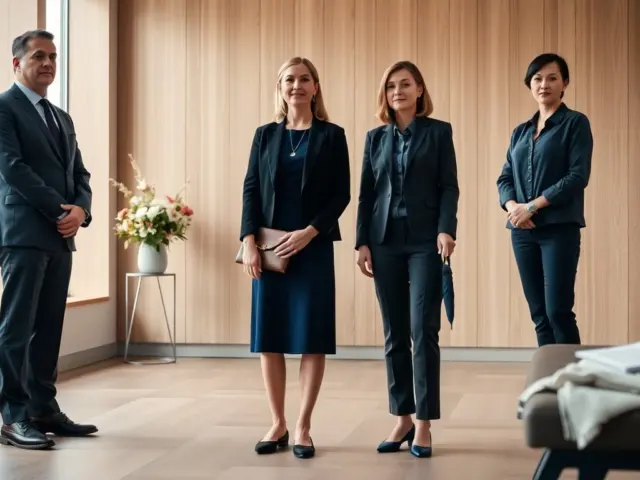
What do you wear to a formal wedding depends on the stated dress code. If the invite says “formal” or “black tie,” guests should prepare for elevated attire. A formal wedding calls for evening fabrics and refined cuts. Guests should note time and venue. Evening events favor darker colors. Daytime formal events allow lighter tones and polished fabrics. Guests should respect the couple’s culture and faith. Guests should avoid anything that competes with the wedding party. Guests should check whether the couple requests specific colors. Guests should ask the host if unsure. What do you wear to a formal wedding also depends on weather. Guests should plan layers for cool evenings. Guests should prioritize fit and comfort over trends. Comfortable clothing helps guests enjoy the ceremony and reception. Guests should tailor key pieces when possible. Proper fit sends a clear signal of respect to the hosts.
To interpret a dress code precisely: “black tie” typically means a tuxedo for men and a formal evening gown for women; “black tie optional” allows a dark suit or a tuxedo for men and either a long gown or an elegant cocktail dress for women. “Formal” without further clarification leans toward evening wear but can include daytime formal—so consider the location: a cathedral or private estate usually implies more conservative, polished looks than a hotel ballroom or waterfront venue, where fabrics and layers might be lighter. If cultural attire is suggested or preferred, wearing it honors the couple and can be as formal as Western eveningwear.
Formal Outfit Ideas For Women: Dresses, Fabrics, And Silhouettes
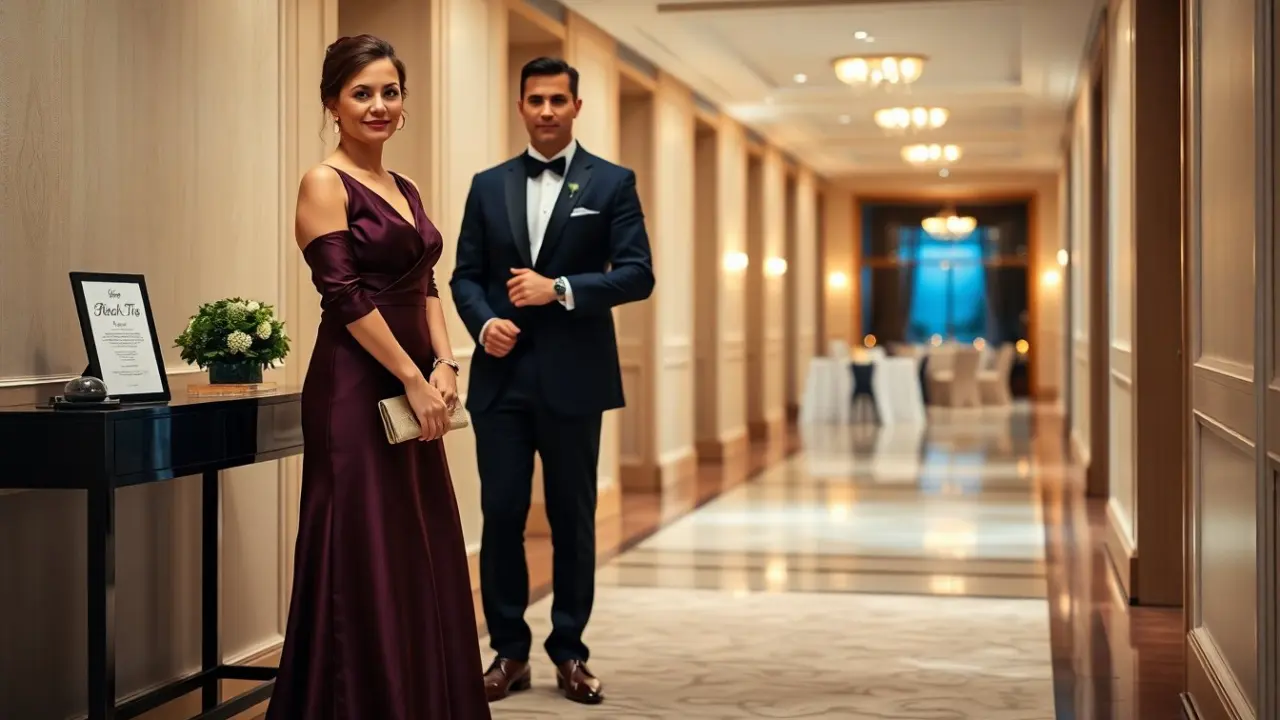
When women ask what do you wear to a formal wedding, a long dress often tops the list. A floor-length gown in silk, satin, or crepe suits most formal settings. A midi dress works for daytime formal events. A sheath dress provides a clean silhouette. An A-line dress flatters many body types. Women should pick fabrics that drape well and do not wrinkle. Women should avoid ultra-casual materials like denim or jersey. Women should select modest necklines for faith-based ceremonies. Women should choose sleeves or bring a wrap for covered venues. Women should keep embellishments tasteful. A subtle sequin or bead can add polish without distracting. Women should balance shoe style with dress length. Heels lift the hem gently: flats work when well made. Women should prioritize a small, structured bag and classic jewelry. When women wonder what do you wear to a formal wedding, they should lean classic with one modern detail, such as a bold color or an unexpected sleeve.
Practical styling tips: choose undergarments and shapewear that create a smooth line for fitted gowns, and test proportions with the shoes you plan to wear. For summer formal weddings, lightweight silks and crepe are breathable; for cooler months, heavier satins, velvet, or a lined gown work well and allow room for an elegant wrap. If you prefer separates, a silk blouse paired with a tailored maxi skirt can be just as formal as a dress. Color guidance: jewel tones, navy, and muted metallics are safe and seasonally versatile—avoid head-to-toe black at daytime services unless the couple indicates otherwise, and steer clear of white, ivory, or anything that could be misread as bridal.
Formal Outfit Ideas For Men: Suits, Tuxedos, And Styling Details
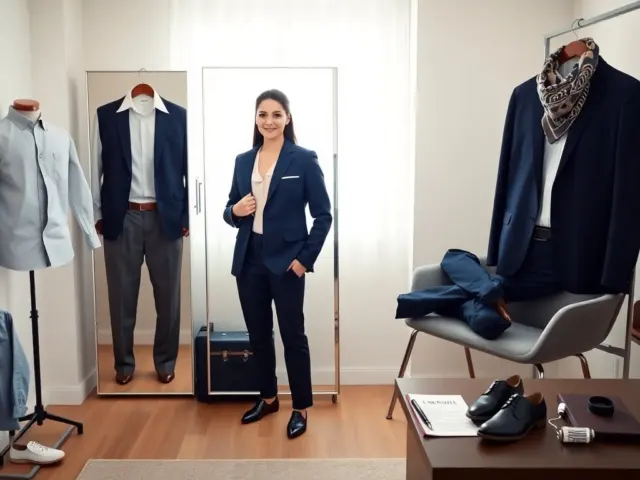
Many men ask what do you wear to a formal wedding and think of tuxedos first. A black tuxedo with a white shirt fits a black tie event. A midnight-blue tuxedo offers a modern alternative. Men who wear suits should pick wool or wool-blend fabrics. Men should avoid casual suits and sport coats. Men should match shoe color to belt color. Men should pick polished leather shoes, such as oxfords or loafers. Men should add a tie or bow tie for formal events. Men should choose cufflinks and a pocket square for finishing touches. Men who attend daytime formal weddings can choose a lighter suit but should keep the cut sharp. Men should ensure shirts stay crisp and collars fit the neck. Men should remember proper grooming. When men wonder what do you wear to a formal wedding, they should aim for simple lines and neat details. A well-pressed jacket and confident posture complete the look.
More specific guidance: for black tie, choose a single-breasted tuxedo jacket with satin lapels, a pleated or plain-front dress shirt, and a silk bow tie; patent or highly-polished shoes are typical. For “formal” without black tie, a dark, well-cut suit in worsted wool, paired with a conservative tie, is appropriate; consider a vest for added formality. Fit matters more than label—sleeve length, trouser break, and shoulder alignment determine how polished you appear. If you don’t own a tuxedo, renting is an acceptable choice; ensure the fit is adjusted by a tailor. For accessories, avoid novelty socks or overly casual belts; a discreet tie bar, classic watch, and matching leather accessories elevate the look without drawing undue attention.
Accessories, Grooming, And Etiquette Tips To Complete Your Look
Guests often ask what do you wear to a formal wedding and then forget accessories. A compact clutch or a slim wallet keeps essentials close. A classic watch adds polish. Jewelry should not overpower the outfit. Guests should limit strong fragrances for shared spaces. Guests should choose subtle makeup for an elegant finish. Guests should style hair so it stays in place during long events. Guests should plan shoe breaks to avoid discomfort. Guests should arrive on time and follow seating directions. Guests should RSVP and follow gift guidance from the couple. Guests should avoid wearing white to avoid upstaging the bride. Guests should avoid overly casual items like sneakers or baseball caps. Guests should respect any stated cultural dress requirements. Guests should tuck phones away during vows. Guests who wonder what do you wear to a formal wedding will benefit from this small list of rules. Guests who follow these tips will look appropriate and feel ready to celebrate.
Final practical checklist: inspect garments for loose threads or missing buttons before leaving home; carry a small emergency kit (thread, stain wipe, blister strips) in your bag or with the person you arrived with; keep posture and demeanor composed—formal events are as much about comportment as clothing. If in doubt, err on the side of slightly overdressed rather than underdressed; elegant restraint is preferable to flashy attention. By focusing on fit, quality fabrics, and respectful details, you’ll answer the question what do you wear to a formal wedding with confidence and taste.