| Situation | What the guidance supports | Planning use |
|---|---|---|
| Fine hair | Fewer, longer layers keep the ends looking full | Ask for restraint with layer count rather than maximum movement |
| Thick hair | More separation is possible, but layers still need to blend | Choose visible layers that merge into the longer ones |
| Short hair | The result may resemble a layered bob or shag | Decide whether that shorter shape is the look you want |
| Little daily styling | Softer front layers are more practical than a short, strongly shaped fringe | Pick the front length for your routine, not just the photo |
| Heat styling | Fully dry, detangled hair plus heat protection | Allow prep time before any hot tool |
The table summarises guidance from Yuaia Haircare’s butterfly cut guide and Haiirology’s styling guide.
Learning how to style a butterfly haircut starts with prep: work on fully dry, detangled hair with heat protection, then curve the face-framing layers away from the face. A round brush, rollers or an iron all work, depending on your hair type.
Hair is one piece of a finished look, and the Fashion and Style Basics hub shows how to build a capsule wardrobe that the cut can sit alongside. The sections below move from who the cut suits to tools, heat technique and routines by texture.
Who suits a butterfly cut
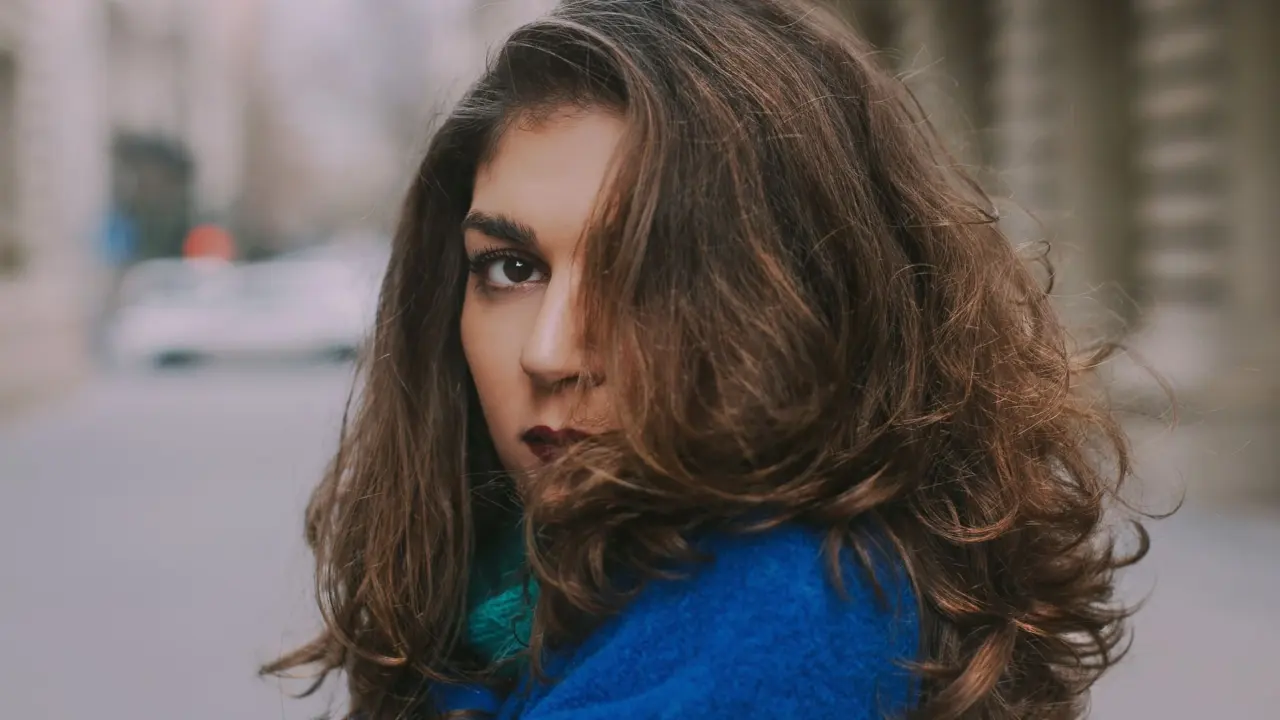
A butterfly haircut combines shorter face-framing layers with longer layers underneath, according to Yuaia Haircare. Because the shape depends on two levels of layering, the cut suits hair with enough length for both to show, and density decides how many layers to request.
Length and density
- Fine hair: fewer, longer layers help keep the ends looking full. If your hair loses fullness at the tips, this is the version to ask for.
- Thick hair: thick hair may allow more separation between layers, but the layers still need to blend. Visible movement is the aim, not a stepped look.
- Short hair: on short hair the result may look more like a layered bob or shag than a long butterfly haircut. If the long, sweeping outline is what you want, length is the first thing to settle.
Front layers and daily effort
The front layers decide how much work the cut takes each morning. Softer front layers can be more practical than a short, strongly shaped fringe, so they suit anyone who wants little daily styling. The same guide advises choosing the shortest layer with your stylist and planning how you want to wear it before the cut, so the shortest piece matches the routine you will actually follow.
Tool and product checklist
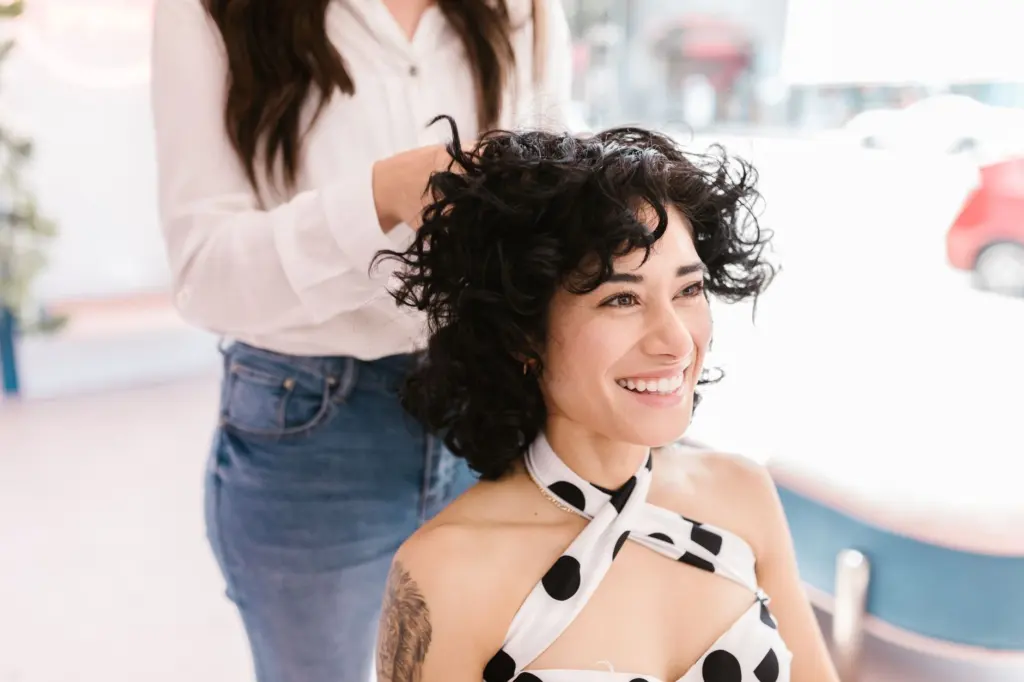
A short kit covers most butterfly cut routines, and each item has a distinct job. Prices below are retailer listing prices from Yuaia Haircare and can change.
- Round brush: a round-brush blowout gives curved ends, and you can choose the finish to suit your natural texture, according to Yuaia Haircare.
- Curved paddle brush: listed at £18.99 with boar bristles and labelled gentle and suitable for all hair types. It is a lighter-handed option for smoothing.
- Wide-toothed comb: listed at £6.99 (the original price shown is £7.95) and described as ideal for curly hair and for both wet and dry hair.
- Heat protectant: Haiirology advises a weightless spray, misted lightly from mid-lengths to ends and not on the roots.
- One-inch flat iron: recommended for precision on the front layers.
- Curling iron with a 1.25-inch barrel: gives defined, soft waves with more shape.
- Rollers: velcro rollers add front volume, and any rollers should be large enough for the length of the section being set.
- Lightweight texture spray: use it to finish instead of a heavy hairspray.
Blow-drying and heat styling
Heat styling a butterfly cut comes down to prep, sectioning and curving the front pieces away from the face. The steps below follow the order that protects the hair best.
- Prepare the hair. Work on fully dry, detangled hair and use heat protection, as Yuaia Haircare advises. Keep the protectant to mid-lengths and ends.
- Divide the hair. Take small sections so each front piece can be shaped on its own.
- Choose a finish. Use a round brush for curved ends, or rollers if you prefer a set shape. Gently curve the front pieces away from the face.
- Keep the heat low. Use the lowest effective temperature and avoid repeated passes over the same section.
- Let it cool. If you set the hair in rollers after blow-drying, let it cool fully before taking them out.
Flat iron method
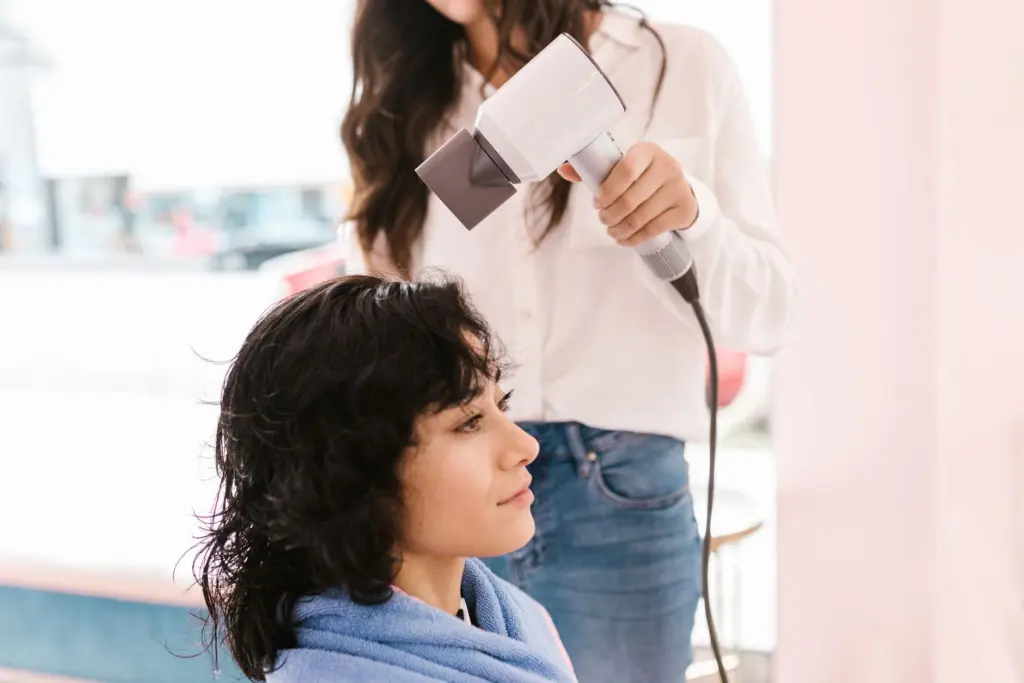
For a flat iron, Haiirology recommends a one-inch plate for precision. Divide the hair into four sections, two in the front and two in the back, and clip the extra layers out of the way if your hair is thick. This keeps the shorter face-framing layers from being flattened along with the rest.
Routines by hair type
The same cut behaves differently depending on texture, so the routine should change with it rather than relying on one set of steps.
Curly hair
Curly hair may be better detangled during conditioning than brushed dry, depending on your routine, per Yuaia Haircare. That makes a wide-toothed comb the most useful tool for this texture, because it works on both wet and dry hair. Detangling before any heat keeps the layers separate and easier to shape.
Soft waves with a curling iron
For defined, soft waves, Haiirology suggests a 1.25-inch barrel and working in 1-inch pieces. For the face-framing effect, curl the front sections away from your face. Small pieces matter because each shorter front layer is a separate shape in this cut.
Fine or easily weighed-down hair
Fine hair does best with fewer, longer layers and with products that add little weight. Use a weightless heat protectant on mid-lengths and ends, then finish with a lightweight texture spray rather than heavy hairspray. Heavy finishing products work against the full, light ends that the layers are meant to create.
Beyond the haircut
A butterfly cut works best when it matches the rest of how you dress and present yourself. For a wider approach to building a signature look, read How To Find Your Style: A Practical 2026 Guide To Building A Signature Look – Carnalnation. If you are planning for a photo where a natural appearance matters, see What To Wear For Your Passport Photo: Simple Rules To Look Natural And Meet Requirements (2026 Update) – Carnalnation.
Frequently asked questions
Can I style a butterfly haircut without a hot tool?
Yes. Soft rollers or a heatless curling rod can add a bend without a hot tool, according to Yuaia Haircare. This suits anyone who wants to skip heat altogether.
How do I add lift to the front layers?
Roll the front section back into a velcro roller while you finish the rest of your hair, then leave it to set for five minutes, as Haiirology describes.
How long should I hold the curling iron on each piece?
Hold each curl for 5-7 seconds, then release, per Haiirology.