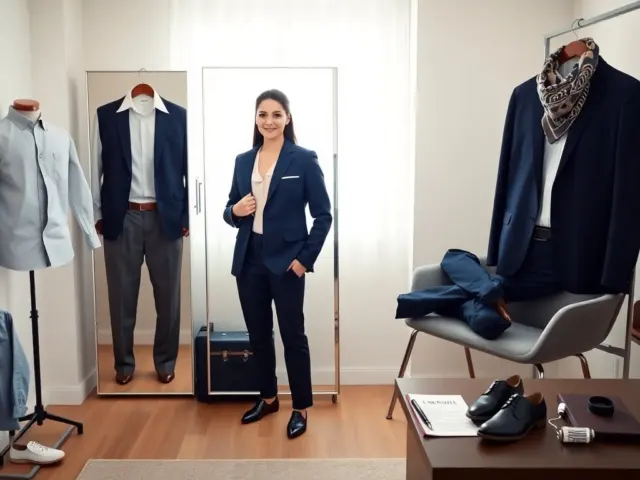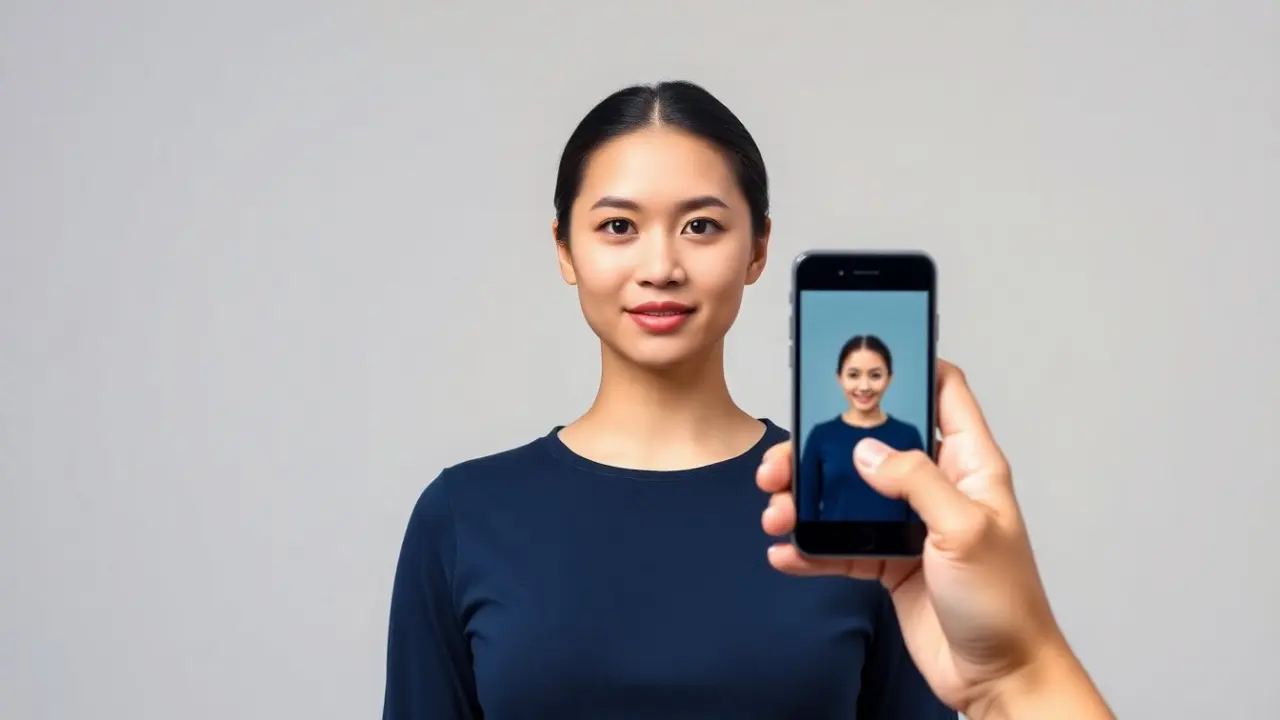
What to wear for passport photo is a common question for first-time applicants and seasoned travelers alike. This guide gives clear, practical rules you can apply the moment you stand in front of the camera. It lists official requirements first (always the priority) and then walks through color choices, necklines, and accessory advice so your clothing helps — not hinders — a successful submission. It also covers religious head coverings with the typical official guidance authorities use. Read on for quick checks, test-photo tips, and simple do-and-don’t examples to help you pick clothing that looks natural, flatters your features, and meets passport photo rules.
Key Takeaways
- Follow official passport photo requirements by ensuring a neutral expression, proper lighting, and a plain, light-colored background before selecting clothing.
- Choose solid clothing colors like navy, dark green, burgundy, or medium gray that contrast with the background and avoid bright reds, whites on light backgrounds, or busy patterns.
- Pick tops with simple, clear necklines that frame the face without high collars or low cuts, and wear fabrics that lie flat without shine or embellishments near the face.
- Remove glasses unless medically permitted, avoid large earrings and scarves that cover the neck or jaw, and keep hair styled to avoid shadows or covering the face.
- Religious head coverings are allowed if the full face is visible with no shadows, and be prepared to provide documentation if requested by authorities.
Follow Official Passport Photo Requirements First
Before you think about colors or accessories, confirm the issuing authority’s photo specifications — these are the rules that will make or break your submission. Typical requirements include a clear, neutral expression (no smiling with teeth), even lighting with no strong shadows on the face or background, and full visibility of the head from crown to chin and both edges of the face. Size, crop, and resolution rules vary by country, so check the official guidance for the exact pixel or millimeter dimensions and printing requirements.
Other common stipulations: no uniforms, no camouflage or clothing that resembles official attire, and no obstructions that cover facial features (for example, heavy scarves or masks). If the agency allows head coverings for religious reasons, they normally require that the full face remain visible and that the head covering not cast shadows — read the specific guidance for acceptable examples. If you are photographing at home, use a plain, light-colored wall, position the light source in front of you, and have someone else take the photo or use a tripod and a timer to ensure correct framing.
Best Clothing Colors And Patterns For Passport Photos
Choosing the right color helps your face remain the focal point. Solid, medium-to-dark colors such as navy, dark green, burgundy, and medium gray typically provide good contrast against pale or off-white backgrounds used in passport photos. These colors reduce the risk of blending into the background or creating glare. If your country’s background requirement is darker, opt for lighter solid colors that still contrast with the backdrop.
Avoid white shirts if the background is light — the collar and shoulders can disappear into the background and confuse automatic cropping tools. Also avoid neon tones and highly reflective fabrics that can cast color onto your skin or create hotspots. Busy patterns, stripes, logos, large prints, and lace near the face are best left out because they draw attention away from facial features and may produce unwanted moiré effects in digital images. If you’re unsure, take a quick test photo against a plain wall and zoom to check how the collar and shoulders read in the frame.
Tops And Necklines That Photograph Well
Tops that help passport photos are those that frame the face naturally without covering the jawline or drawing attention away from facial features. Collared shirts with a modest V or crew neckline, simple blouses, or plain sweaters are usually safe choices. A neckline that falls close to the collarbone often creates a balanced frame for the face and shoulders without leaving too much empty space.
Avoid turtlenecks or very high collars that hide the neck and can make the head appear to float, and avoid low-cut tops that draw the eye downward. Fabrics should be matte rather than shiny — satin or sequined materials can reflect light and create bright spots. Also avoid ruffles, bows, or heavy stitching near the face; these details can interfere with consistent skin tone and distract from the essential facial features passport authorities need to see.
Accessories, Glasses, And Hair: What To Avoid
Accessories can ruin an otherwise acceptable photo. Unless explicitly allowed by the issuing authority for medical reasons, remove glasses to prevent reflections and to ensure clear visibility of the eyes. If glasses must be worn, use frames that are thin and non-reflective, remove lenses if possible for the photo session, and make sure there is no tint. Sunglasses and heavily tinted lenses are always unacceptable.
Keep jewelry minimal — small stud earrings or simple items that do not reach the jawline are fine, but avoid large hoops, dangly pieces, or headbands that change the head silhouette. Pull long hair back or tuck it behind the ears so it does not mask the eyes, eyebrows, or jawline; but avoid overly tight hairstyles that deform the hairline. Makeup should be natural and even; heavy contouring, extreme lipstick colors, or false eyelashes that change your usual appearance can complicate identity verification. Finally, remove scarves or other neck coverings that could hide the jaw or create confusion about head contours.
Religious Head Coverings And Official Guidance
Most passport authorities permit religious head coverings as long as the full face is visible from the hairline to the chin and both edges of the face are unobstructed. When wearing a head covering for religious reasons, ensure the forehead, eyes, nose, mouth, and chin are fully visible and that the covering does not cast shadows across the face. Use even, front-facing lighting and avoid strong side lighting that can create problematic shadows beneath the covering.
Some agencies request additional documentation or a brief statement if a head covering is worn for religious reasons; check the issuing authority’s instructions to know whether you need supporting paperwork. If possible, take a test photograph before your appointment and compare it to the official examples provided by the agency. If a retake is requested, adjust the covering or lighting to remove shadows and make sure no pins, decorative elements, or bulky layers alter the face’s outline. When in doubt, consult the specific guidance from the passport office to confirm compliance.