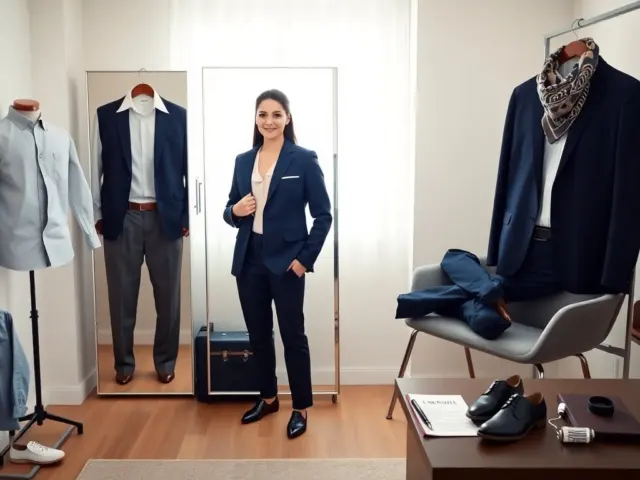
What to wear to a funeral matters. The guide shows clear choices for dress, shoes, and small items. It helps a person pick clothes that show respect, fit the location, and keep them comfortable. The guide avoids rules that cause stress. It gives simple options for common settings and quick checks to make before the service.
Key Takeaways
- What to wear to a funeral should prioritize respect by choosing dark or muted colors and avoiding flashy prints or logos.
- Consider the context and follow any dress code guidance from the invitation, obituary, or family, especially for religious services.
- Comfort is important: select clothes and shoes that fit well and allow ease of movement for the length of the service.
- For formal funerals, opt for a dark suit and tie or a simple black dress with minimal accessories to convey respect and steadiness.
- Outdoor services require practical attire like waterproof layers and flat shoes suitable for uneven terrain.
- Keep accessories simple and shoes well-broken in, avoid strong perfumes, and bring essentials like a light layer and a small, tidy bag.
Core Principles: Respect, Context, And Comfort
Respect guides choices for what to wear to a funeral. A person should choose clothes that do not draw attention. Dark or muted colors work well. Black remains a safe option, but navy, charcoal, and deep brown are fine. A person should avoid flashy prints, bright logos, and clothing with large images.
Context matters when a person decides what to wear to a funeral. The invitation or funeral home will say if the service favors formal or casual dress. A person should check the obituary or contact the family when they are unsure. Religious venues often have rules. A person should cover shoulders and knees in many houses of worship. A person should remove hats in churches unless the faith allows them.
Comfort matters because grief can make a day long. A person should pick clothes that allow movement and that fit well. A person should wear shoes they can stand in for the service and walk in for burial sites. A person should bring a light layer for cooler chapels or for outdoor graveside services. Comfort does not equal sloppy. A person should choose neat, clean clothes that fit the tone of the occasion.
Politeness extends to grooming. A person should present clean, pressed garments and modest accessories. A person should avoid heavy perfume out of respect for others. A person should silence phones and keep bags neat and minimal.
Outfit Suggestions By Formailty And Setting (Casual, Religious, Formal, Outdoor)
Casual services require simplicity. For casual funerals, a person can wear chinos or dark jeans with a button-down shirt or a modest blouse. A person should add a blazer if they want a slightly sharper look. A woman may wear a knee-length dress in a dark tone. A man may wear loafers or clean dress shoes. Avoid athletic wear and distressed denim.
Religious services demand respect for customs. In synagogues, mosques, and churches, a person should favor conservative cuts and covered shoulders. A person should avoid low necklines and short hemlines. A person may wear a suit or a simple dress. Men should consider a tie in many Christian services. A person should follow specific faith cues during the service and dress to match them.
Formal funerals call for classic dress. A person should wear a dark suit and tie or a black dress. A person should choose simple fabrics and minimal patterns. A person should keep jewelry modest and limit bright accessories. A person should keep hair neat and shoes polished. Formal dress signals respect and steadiness at a time of loss.
Outdoor services need practical choices. A person should wear waterproof layers if rain is likely. A person should choose low heels or flat shoes for grass and dirt. A person should bring a folding umbrella and a light coat. A person should pick fabrics that do not show large wrinkles after sitting on outdoor benches or folding chairs.
Accessories, Footwear, And Practical Considerations (Weather, Travel, Masks)
Accessories should stay simple. A person should pick small jewelry and a classic watch. A person should avoid noisy bracelets and large statement pieces. A person should choose a plain belt and a small, tidy bag. A person should carry only what they need: tissues, ID, a phone, and cards for condolence.
Footwear should match the setting. A person should avoid new shoes that they did not break in. A person should choose shoes that stay secure during standing and walking. Dress flats, oxfords, loafers, and low heels work well. A person should avoid flip-flops and athletic sneakers when possible.
Weather affects choices for what to wear to a funeral. A person should layer in cooler months. Wool coats, scarves, and gloves help at outdoor gravesides. A person should pick breathable fabrics in summer. A person should bring a light sweater for air-conditioned chapels. A person should plan for travel. A person should pack a stain remover pen, a lint brush, and an extra shirt when they travel from far away.
Masks and health choices remain personal. A person should follow venue rules about masks. A person should bring a simple mask if they feel ill or if local guidelines suggest one. A person should respect others who wear masks. A person should keep hand sanitizer available and avoid large gatherings if they have symptoms.
Final quick checks before arrival help. A person should check the service time, dress code notes, and weather. A person should leave early to arrive calm. A person should keep conversations low and dress with quiet care.