Old money aesthetic outfits set a quiet, refined tone. This guide defines the key elements. It shows how to select pieces, mix them, and care for them. It gives clear rules and practical examples. It keeps focus on quality, fit, and restraint. It assumes readers want classic looks that last and feel natural.
Key Takeaways
- Old money aesthetic outfits emphasize quality, restraint, and timeless fabrics like wool, cotton, and cashmere for a classic look.
- Fit is essential—clothes should complement the body with tailored adjustments for a polished appearance.
- Build a cohesive wardrobe with neutral colors and staple pieces such as a navy blazer, camel coat, and gray trousers.
- Keep accessories minimal and classic, choosing leather belts, simple watches, and structured bags without logos.
- Shop strategically by prioritizing natural fabrics, investing in durable pieces, and favoring brands with repair options.
- Maintain garments carefully with proper storage, regular cleaning, and minor repairs to ensure longevity and preserve the old money aesthetic.
Core Principles Of The Old Money Look
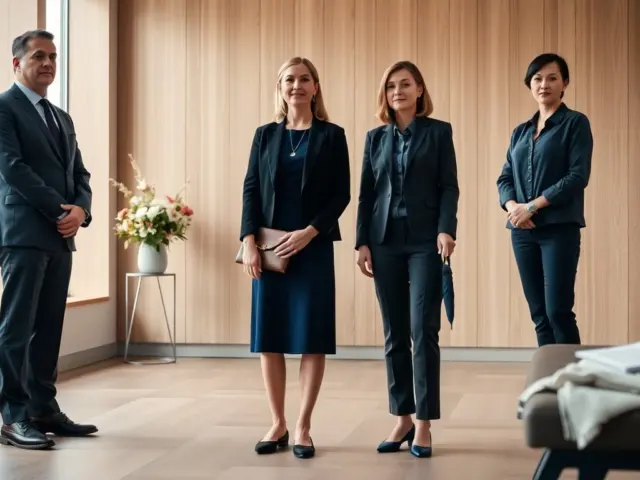
The old money aesthetic outfits concept centers on restraint and quality. The look values simple lines, neutral palettes, and lasting fabrics. He or she chooses wool, cotton, linen, and cashmere over flashy synthetics. They favor muted colors like navy, beige, cream, olive, and charcoal. They avoid large logos and loud patterns.
Fit guides the aesthetic. A garment must fit the body without clinging or billowing. Tailoring fixes small issues. They often alter sleeves, hems, and waistlines to achieve the right shape. Shoes must fit well and match the outfit in tone and formality.
Accessories serve a quiet role. A leather belt, a plain watch, and simple cufflinks add polish. Jewelry stays minimal and classic. Sunglasses use traditional frames such as tortoiseshell or simple metal. Bags stay structured and unbranded.
The old money aesthetic outfits approach relies on consistency. He or she builds outfits from core pieces and repeats color stories. This approach keeps the wardrobe coherent. It also makes dressing fast and intentional. The look signals care and longevity more than trend awareness.
Wardrobe Staples And How To Mix Them
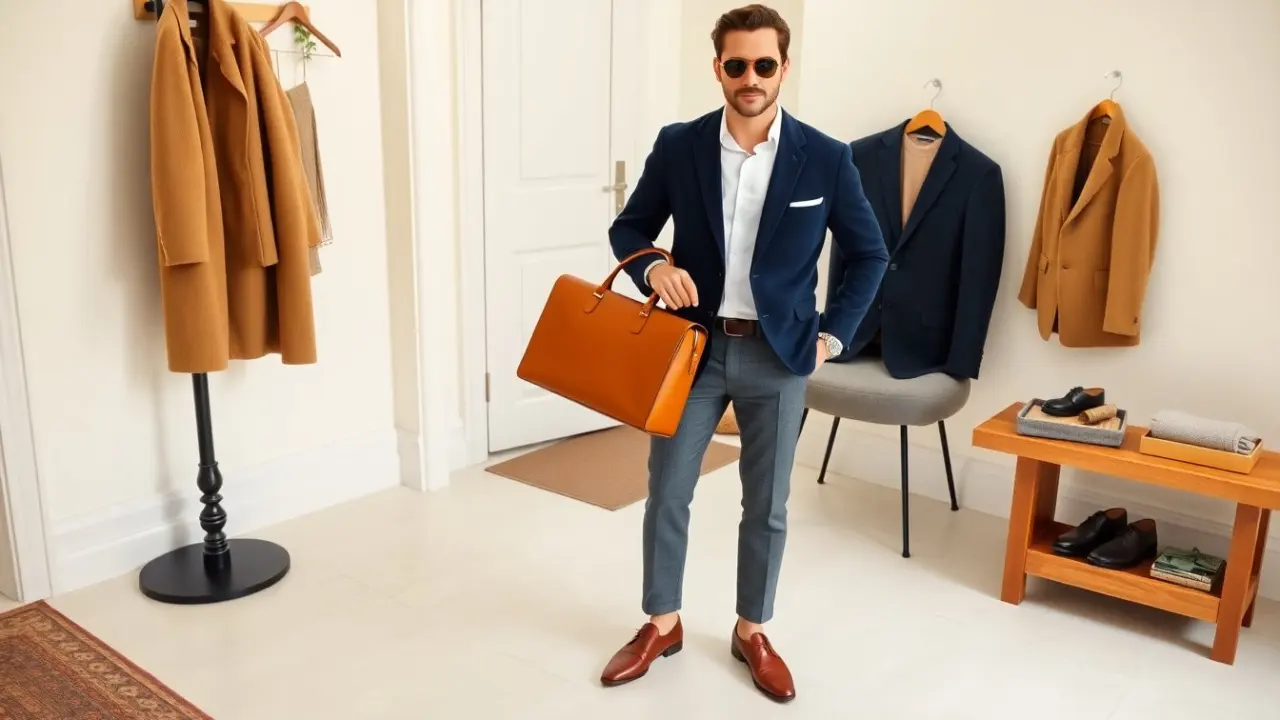
A capsule of old money aesthetic outfits begins with a few staples. Include a navy blazer, gray wool trousers, white button-down shirts, a camel coat, a cashmere sweater, and dark denim. Add loafers, brogues, and a classic trench. A structured leather tote or briefcase completes the set.
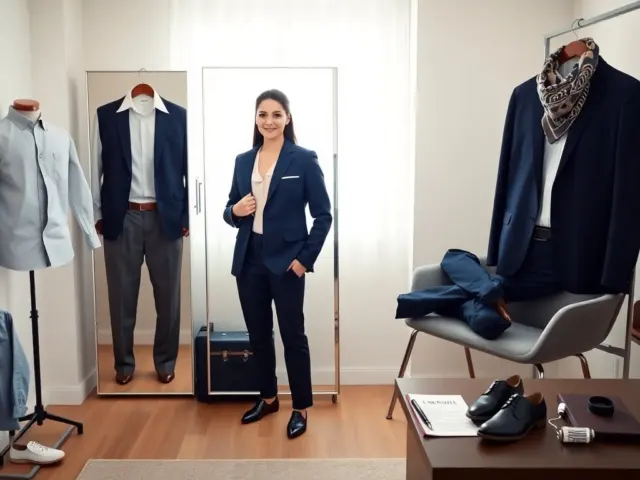
He or she mixes pieces by matching tone and texture. Pair a navy blazer with gray trousers for a formal base. Switch the button-down for a fine-gauge sweater to make the outfit casual. Use dark denim with a camel coat and loafers for a smart weekend look. Keep contrast low. Use one strong accent color at most.
Pattern use should stay limited. A pinstripe suit or subtle houndstooth coat can work if the pattern stays small and the rest of the outfit remains plain. Stripes on a shirt or a small check tie can add interest without breaking the mood.
Layering matters for visual depth. A thin merino sweater under a blazer adds warmth and texture. A scarf in a muted hue lifts an outfit without calling attention. He or she chooses fabrics that age well. Leather gains character with wear. Wool and cashmere keep shape when cared for.
Outfit examples that readers can copy:
- Office: Navy blazer, white shirt, gray trousers, brown loafers, leather belt.
- Weekend: Camel coat, dark denim, cream sweater, suede loafers.
- Evening: Charcoal suit, black shoes, silk tie in deep color.
These examples show how old money aesthetic outfits balance formality and ease. The combinations use few pieces and rely on proportion and color harmony.
Styling Tips, Shopping Strategy, And Garment Care
He or she shops with a clear strategy. They set a list of needs before entering stores. They prefer natural fabrics and inspect seams, linings, and buttons. They test weight and drape. They select neutral colors first and add a single accent later.
Buying quality beats buying many items. One well-made coat replaces several low-quality ones. He or she invests in shoes and outerwear first. They buy classic cuts that stay useful across seasons. They prefer brands with repair policies or local tailors for adjustments.
Styling tips to follow every day:
- Prioritize fit. Alter garments that hang or bunch.
- Keep a neutral base. Add one accessory for personality.
- Balance formal and casual textures. Combine smooth wool with soft knit.
- Maintain clean lines. Tuck shirts where appropriate and press garments.
Garment care extends the life of the wardrobe. Store wool and cashmere folded or on wide hangers. Use cedar or breathable bags to deter pests. Clean leather with appropriate cleaner and condition it periodically. Follow care labels for washing and drying. He or she air-dries sweaters flat to preserve shape. They use shoe trees to keep leather shoes aligned.
Small rituals matter. They brush suits after each wear. They polish shoes weekly. They mend loose threads and replace worn buttons promptly. These habits keep old money aesthetic outfits looking deliberate and long-lasting. They reduce the need to buy replacements and keep the wardrobe consistent over time.