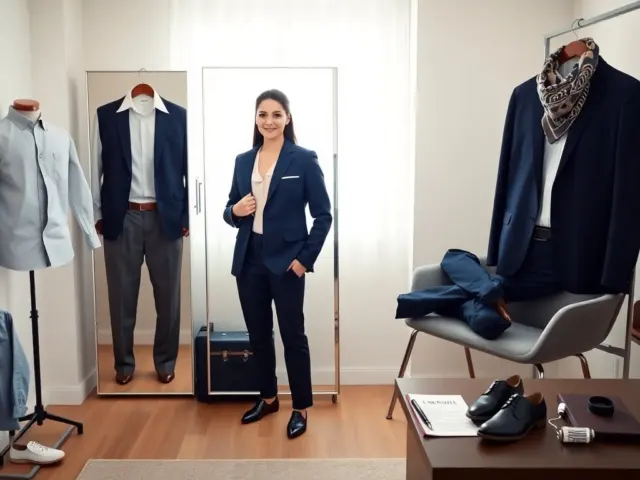
How to find your style starts with clear choices and simple steps. The reader learns what fits their life, what colors work, and what items last. This guide shows concrete actions. It lists checks, inspiration methods, and rules for shopping. It keeps focus on function, confidence, and long-term value.
Key Takeaways
- Finding your style starts by identifying your core needs like comfort, purpose, and a reliable color palette to boost confidence and simplify shopping.
- Conducting a wardrobe audit helps reveal which fits, colors, and garments already work, guiding you on how to find your style effectively.
- Build an inspiration library with photos and notes focusing on specific elements rather than full outfits to develop your unique style.
- Define your core style pillars—fit, color palette, fabrics, and silhouettes—to remove guesswork and streamline clothing choices.
- Experiment gradually by trying new shapes and colors, shop smart with a focused list, use tailoring, and regularly revisit your wardrobe and inspiration to evolve your style over time.
Why Finding Your Style Matters (Confidence, Function, And Longevity)
Finding a signature look helps people move faster each morning. It boosts confidence in public settings. It makes shopping decisions clearer. It reduces impulse buys and saves money over time. It improves how garments wear and last. It aligns outfits with daily tasks and social needs. It helps people present consistent visual signals at work and events. When someone asks how to find your style, they should start by naming core needs: comfort, purpose, and a small set of reliable colors and fits.
Audit Your Current Wardrobe: What To Keep, Tailor, Or Toss
A wardrobe audit shows patterns in use and waste. The person sorts items into keep, tailor, and toss piles. They test each piece for fit, condition, and frequency of use. They ask if the item matches current work and leisure needs. They note garments that require only tailoring to fit better. They mark items that feel out of character or never get worn. The audit reveals which silhouettes and colors appear most often. The audit answers the basic question of how to find your style by showing what already works.
Wardrobe Audit Checklist: Quick Steps To Reveal Patterns
Lay all clothes on a flat surface. Try on suspect items and move slowly. Note items that create confidence when worn. Photograph outfits that feel right. Record colors and cuts that repeat. Measure sleeve and hem lengths for common garments. List items that need minor tailoring. Count pieces worn more than ten times in the past year. Place unworn items in a donate box. Create a short list of ten core pieces to keep. This checklist helps someone learn how to find your style by using facts, not feelings.
Discover What Inspires You Without Copying Others
Inspiration informs, without imitation. The person studies sources and notes specific elements they like. They pick details such as collar shape, pant rise, or shoe profile. They avoid copying full outfits from influencers or celebrities. They ask how a chosen element fits their daily life. They mix ideas from different sources to form unique combinations. They test one borrowed element at a time. Over time, the person sees which inspirations repeat. That pattern points directly to how to find your style in an original way.
Build An Inspiration Library: Photos, Mood Boards, And Notes
Collect photos from magazines, stores, and street style. Save clear images that show single features. Create a simple digital board or a physical folder. Add short notes about why each image appeals. Tag images by color, fit, and context. Update the library monthly with new finds. Review the library before shopping or tailoring. Use it to avoid impulse buys and to keep focus. The library becomes a tool to answer how to find your style with concrete visual data.
Define Your Core Style Pillars: Fit, Color, Fabrics, And Silhouette
A core style rests on a few repeatable rules. First, choose fit rules: what fits at the shoulders, waist, and length. Second, set a color palette of three to five base colors and two accents. Third, name preferred fabrics for comfort and care. Fourth, pick one or two silhouettes for tops and bottoms. Write these rules down and use them when buying. These pillars make it easier to answer how to find your style because they remove guesswork and speed decisions.
Experiment, Shop Smart, Tailor, And Evolve Your Look Over Time
Experiment in small steps. Try one new silhouette or color each season. Shop with a short list based on the core pillars. Buy fewer items of higher usefulness. Use tailoring to fix fit and extend garment life. Keep receipts and test new items at home for a week. Note how often the person wears each new piece. Remove items that sit unused. Revisit the inspiration library and wardrobe audit every six months. This cycle helps the person refine how to find your style and keep it aligned with changing needs.