They search for what to wear on an interview and need clear advice fast. The guide gives direct rules and simple examples. It explains how to read a company’s vibe, how to pick clothes for role types, and what to check before the meeting. Readers learn to match fit and confidence to the job they want.
Key Takeaways
- Understanding what to wear on an interview starts with researching the company culture and dress code to align your outfit appropriately.
- Choose interview attire based on the role level, opting for a slightly more formal look than the office norm to show respect and professionalism.
- Use clear outfit templates for corporate, creative, and casual interviews to create a polished, role-appropriate appearance.
- Prepare your clothing and accessories in advance by checking fit, ironing clothes, and packing essentials like resumes and portfolios.
- For remote interviews, select a clean, simple top and a distraction-free background to maintain a professional on-camera presence.
- Keep accessories minimal and colors calm to ensure the focus remains on your skills and confidence, not your fashion choices.
Understand Company Culture And Interview Context Before You Dress
They should learn company culture before they pick clothes. They check the company website and social pages for photos of staff. They read the job posting for tone and phrases. They look for words that signal formality, such as “corporate,” “startup,” or “creative.”
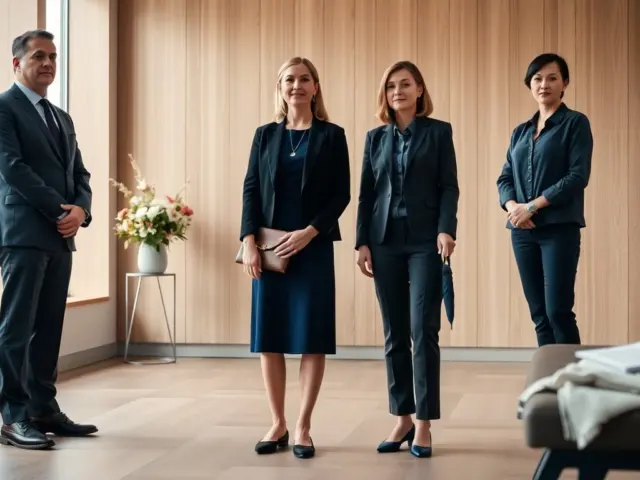
They consider the interview format. They note whether it will be in person, remote, or a panel. They plan a different outfit for each format. For in-person interviews they choose well-fitting, ironed clothes. For remote interviews they pick a clean top and a simple background. For panel interviews they choose neutral items that do not distract.
They match dress level to role level. They wear darker, structured clothes for senior roles. They wear a smart but relaxed look for entry-level jobs at casual firms. They aim for one level more formal than the expected office dress. This choice shows respect and care without drawing excess attention.
They check local norms. They factor in climate and season. They pick breathable fabrics for hot weather and layered outfits for cold weather. They ensure shoes match the outfit and company tone.
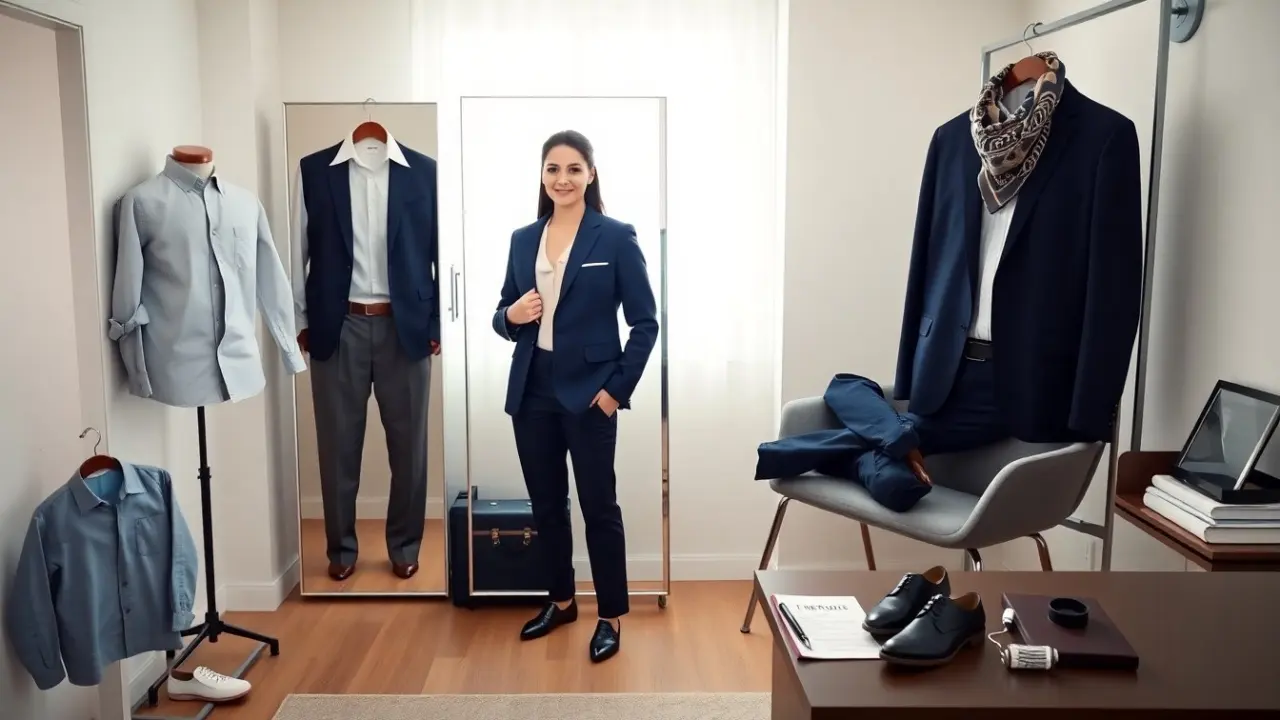
They test the outfit. They try the full look a day before. They walk in it, sit in it, and check mirror angles. They fix fit issues, stitch loose hems, and polish shoes. They pack a small emergency kit with a lint roller, safety pins, and stain remover pen.
They avoid strong logos, loud patterns, and distracting accessories. They keep jewelry minimal and colors calm. They choose a bag or briefcase that looks tidy and fits necessary items. They remember that tidy, simple choices help the interviewer focus on skills and fit, not fashion.
Outfit Templates For Common Interview Types (Corporate, Creative, And Casual)
They use clear templates for each interview type. Each template uses simple pieces that fit most body types and budgets.
Corporate template
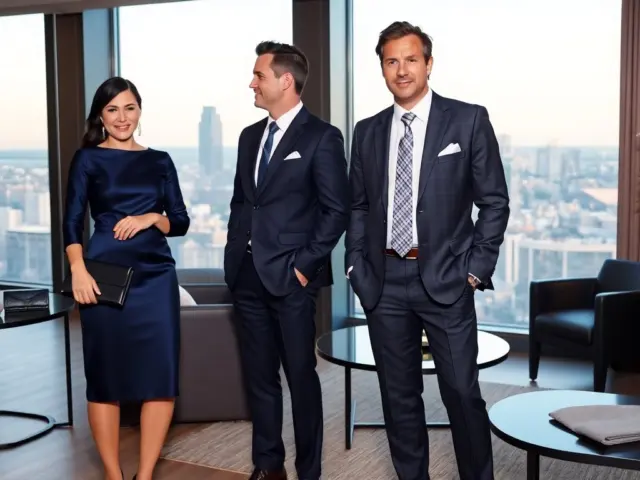
They choose a tailored suit in navy, gray, or black. They pair the suit with a light shirt or blouse. They use leather shoes that match belt color. They keep accessories small and a watch simple. They press clothes and clean shoes before the meeting. They choose subtle patterns for ties or scarves. They avoid open-toed shoes and loud colors. They state qualifications calmly and let the outfit support a professional image.
Creative template
They pick a smart blazer with a clean, modern shirt. They choose dark jeans or tailored trousers if the firm allows. They add a small accessory that shows personality, like a patterned scarf or a modest lapel pin. They keep footwear stylish but tidy. They avoid overly casual items such as ripped jeans or graphic tees. They let one piece show creativity while the rest stays neat. They bring a portfolio in a slim folder or digital samples on a tablet.
Casual template
They wear a neat button-down shirt or blouse and chinos or a simple skirt. They use loafers, clean sneakers, or low heels. They pick muted colors and simple lines. They avoid athletic wear, hoodies, and flip-flops. They show respect through grooming and small details such as trimmed nails and tidy hair. They aim to look approachable and ready to work.
They adapt each template to gender and personal style. They adjust fit and color choices to maintain comfort and confidence. They ensure clothing shows competence without overshadowing the interview content.
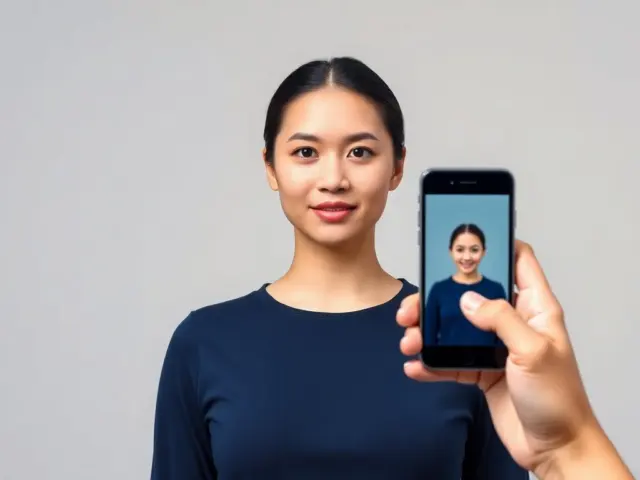
They prepare a remote interview kit for any template. They test camera framing and lighting. They place the camera at eye level and sit in a quiet spot. They choose a top that contrasts with their background. They remove distracting items from view. They keep a glass of water and a printed resume at hand.
They practice the full routine. They rehearse introductions while wearing the outfit. They note how clothes affect voice and posture. They correct any distractions, such as noisy jewelry or stiff collars. They use the outfit to support calm and clear delivery.
Smart Examples, Accessories, And A Pre-Interview Checklist
They choose examples that fit the job and the outfit. For corporate roles they carry one or two printed references. For creative roles they bring physical or digital samples. For casual roles they bring concise notes that highlight relevant experience.
They pick accessories that serve a purpose. They use a simple watch, a belt that matches shoes, and a tidy bag. They keep phone sound off and store it out of sight. They limit cologne and strong scents.
They follow a short checklist before they leave:
- Check fit in full-length mirror.
- Iron or steam key items.
- Polish shoes and clean handbag.
- Pack resume copies, portfolio, and pen.
- Charge phone and tablet: bring charger.
- Bring a written list of questions for the interviewer.
They arrive early and present calm focus. They greet the interviewer with a firm handshake or a friendly nod. They let the outfit support their message and let skills drive the conversation.