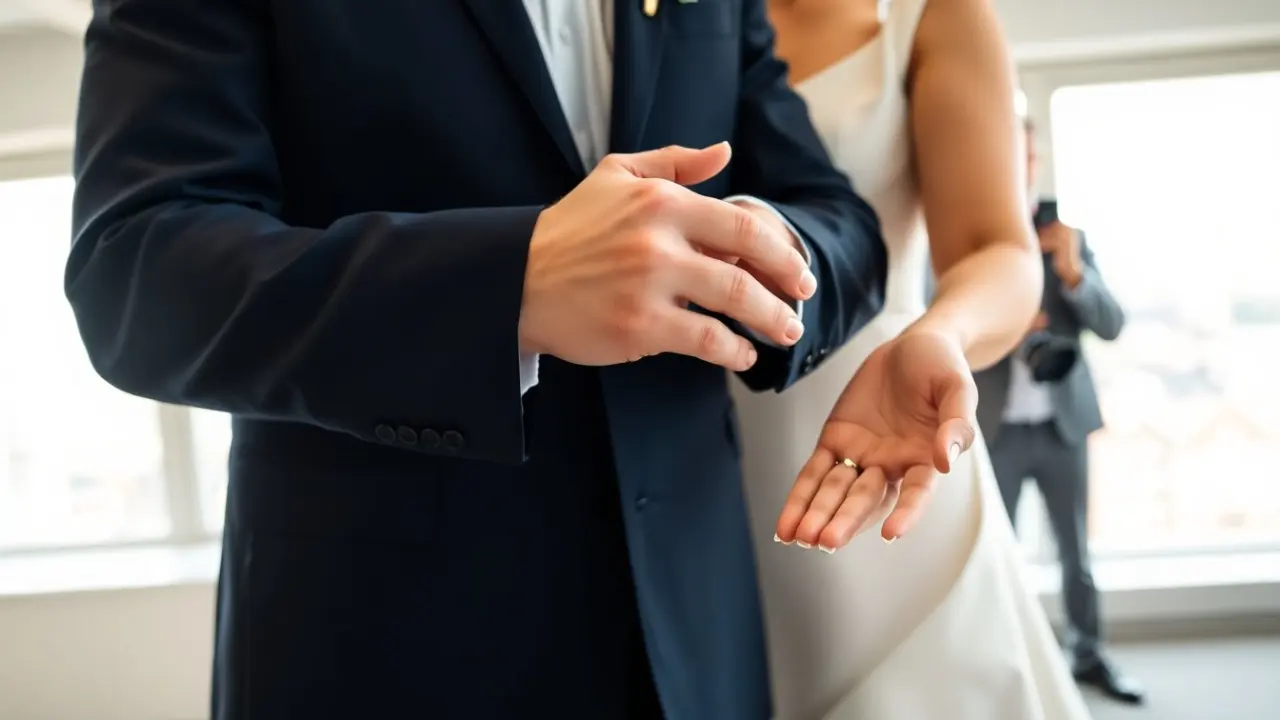
They ask what hand to wear wedding ring first when they plan to marry. The question matters for culture, custom, and comfort. This guide gives clear facts and simple choices. The guide shows how customs differ and how to decide. The guide uses plain language and direct steps for readers who want one clear answer.
Key Takeaways
- The primary hand for wearing a wedding ring varies by culture, with the left hand most common in the U.S. and U.K.
- Wearing a wedding ring on the left ring finger stems from ancient beliefs linking that finger to the heart, symbolizing love and commitment.
- International customs differ widely; some European and Latin American countries favor the right hand based on local traditions and laws.
- Personal comfort, lifestyle, and occupation are important factors in deciding which hand to wear the wedding ring on, especially for those with manual jobs or specific workplace rules.
- Ultimately, choosing what hand to wear a wedding ring should align with personal identity, cultural background, and practical needs.
Why Left Versus Right Matters: Meanings And Myths
People ask what hand to wear wedding ring because hand choice carries meaning beyond simple habit. For many, the ring finger becomes a visible symbol of partnership, status, and values. Cultural meaning can be religious (used in marriage rites), historical (rooted in ancient beliefs), or social (what your family or community expects). Myths also circulate: the classic idea that a vein runs directly from the ring finger to the heart is poetic but anatomically inaccurate. Still, such myths persist because they reinforce a simple narrative: ring on the left equals love close to the heart.
Beyond myth, meaning can change over time and with migration. Couples may follow inherited customs, embrace new ones after moving, or create a personal ritual that blends traditions. When people ask what hand to wear wedding ring, they are often asking how to communicate commitment in a way that fits their identity—religious, cultural, or personal.
Common Practice In The United States And United Kingdom
In the United States and the United Kingdom, most people wear a wedding ring on the left hand. The left ring finger often holds the engagement ring first, then the wedding ring is added during the marriage ceremony and worn on the same finger. This practice is widespread enough that jewelers, photographers, and wedding planners typically expect the left hand for ring shots and symbolic gestures.
That said, the left-hand custom is not universal even within these countries. Religious groups, military personnel, and families with strong European roots sometimes prefer the right hand. Individuals may also switch hands at different life stages—for example, moving a ring to the right hand for certain jobs, while keeping it on the left for social or family events. If you are deciding what hand to wear wedding ring in the U.S. or U.K., consider both the common practice and any community or religious expectations that matter to you.
Why The Left Ring Finger?
The association of the left ring finger with marriage traces to classical sources and medieval church practices. Ancient Roman and later European customs named that finger as the one to receive the wedding band, and the symbolism was absorbed into Christian marriage rituals in many regions. Practical considerations reinforced the choice as well: for right-handed people, the left hand is less involved in daily tasks, reducing wear and accidental damage.
Over centuries the combination of symbolism and practical advantage created a durable habit. Modern reasons to follow this tradition include family expectation, aesthetic continuity (matching engagement and wedding bands), and the simple visibility of a ring on the left hand as a social signal. At the same time, people with different handedness, personal comfort needs, or symbolic preferences may choose otherwise.
International Variations: Europe, Latin America, And Asia
Customs vary widely around the world. In many Central and Eastern European countries—Germany, Poland, Russia and others—people commonly wear wedding rings on the right hand. That choice can reflect religious traditions, civil ceremony practices, or national customs. In Latin America, practices differ by country and by dominant religious traditions; some countries follow right-hand conventions, others left, and some mix practices within communities.
In Asia, the picture is mixed and often influenced by religion, colonial history, and contemporary fashion. In some places couples wear rings on the left to mirror Western norms; in others local traditions take precedence. Legal rules sometimes influence practice too—for example, how a country records marital status or how wedding ceremonies are performed can affect which hand a ring is typically placed on.
If you travel, marry abroad, or have partners from different backgrounds, it helps to ask locally or observe what friends and family do. Many modern couples opt for a deliberate choice: follow one partner’s tradition, alternate hands during different parts of the ceremony, or agree on a new shared custom that feels meaningful to both.
Practical Considerations: Comfort, Career, And Lifestyle
Deciding what hand to wear wedding ring should balance symbolism with everyday reality. Here are practical points to weigh:
- Dominant hand and comfort: Many people place a ring on their non-dominant hand to reduce interference with tasks. If you write, use tools, or type a lot, the non-dominant side may be less intrusive.
- Occupation rules: Healthcare, manufacturing, food service, and some trades have workplace safety or hygiene rules restricting jewelry. If your job limits rings, discuss options (remove at work, wear a plain band, or use a silicone alternative).
- Sports and hobbies: For contact sports or activities with heavy equipment, remove the ring or choose a design that minimizes snagging. Consider a temporary replacement ring for competitions and a durable everyday option for daily wear.
- Ring design and fit: Wider bands fit more snugly and can feel tighter when your fingers swell. If you alternate hands, confirm the ring fits comfortably on both fingers you might use. Resizing may be necessary if you plan to change hands frequently.
- Visibility and privacy: Some people want their ring visible as a signal; others prefer discretion. Choose the hand that aligns with how public you want your commitment to be.
Practical steps to decide: try the ring on both hands for a day, check comfort during typical activities, ask about workplace policies, and talk with your partner about shared expectations. Many couples treat the choice as part of their communication—agreeing ahead of time prevents misunderstandings and helps the ring remain a positive sign of the relationship.