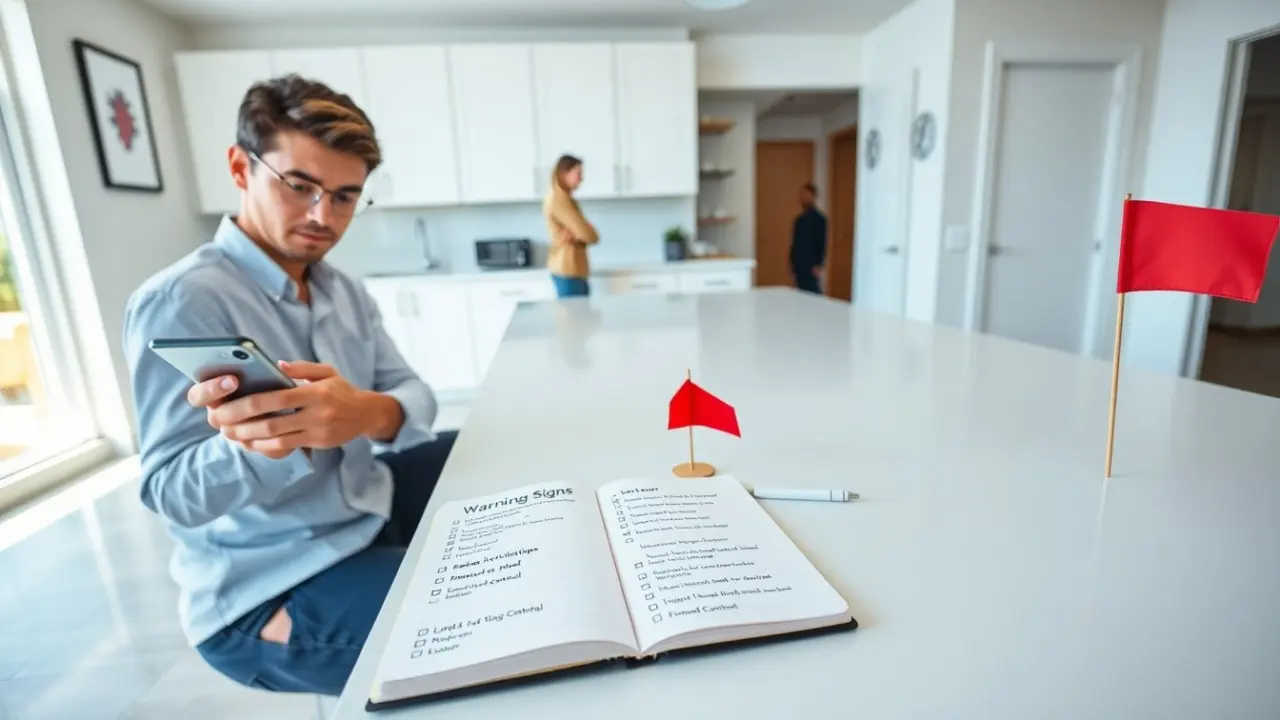
Red flags in a relationship appear early. The signs show in speech, action, and pattern. The reader will learn seven clear warning signs. Each sign will include what it looks like and why it matters. The tone stays direct and practical. The goal is to help a person spot problems fast and decide what to do next.
Key Takeaways
- Red flags in a relationship often appear early through persistent disrespect, such as repeated put-downs and public humiliation, which erode trust and safety.
- Controlling behavior and social isolation, where a partner limits contact with family and friends, is a crucial red flag that increases dependence and reduces support.
- Financial control, like managing all money and blocking access without consent, undermines independence and is a serious warning sign to address promptly.
- Consistent dishonesty and patterned lies damage trust and create anxiety, making honesty a fundamental red flag to monitor in relationships.
- Gaslighting manipulates reality and undermines confidence, signaling deliberate control and requiring outside perspective and possible professional help.
- Unresolved anger and refusal to change maintain unhealthy patterns, making accountability essential to recognize and act upon for relationship health.
Persistent Disrespect, Contempt, Or Dismissiveness
Persistent disrespect shows as repeated put-downs and jokes that hurt. A partner repeats insults and then shrugs them off. They interrupt and belittle opinions during normal talks. Persistent contempt shows with eye rolls, sarcastic comments, and public humiliation. A person in this situation may feel small and unsettled. If this pattern continues, trust and safety decline. The phrase red flags in a relationship applies here because repeated disrespect often predicts deeper emotional harm. The person should set limits and seek support when attempts to change fail.
Controlling Behavior And Social Isolation
Controlling behavior appears as rules about friends, time, and choices. A partner tells the other who to see and when to go out. The controlling partner may demand passwords or track location constantly. Social isolation follows when the targeted person loses contact with family and friends. Isolation cuts off sources of perspective and help. One common red flag in a relationship is when a partner reduces contact with others and increases dependence. Outside contacts can restore balance. The affected person should keep lines open and ask for help if isolation grows.
Financial Control And Undermining Independence
Financial control looks like one partner managing all money without consent. They withhold funds, refuse to contribute, or criticize spending to create dependence. Financial control undermines work choices and career growth. The controlling partner may block access to bank accounts or shame the other for earning less. This pattern counts as a key red flag in a relationship because money power limits options. The targeted person should document finances, seek financial advice, and build a separate account when safe. A clear plan helps restore independence step by step.
Consistent Dishonesty, Secrets, Or Patterned Lies
Consistent dishonesty shows as repeated fact hiding and small falsehoods that add up. A partner lies about time, contacts, or spending. Secrets build a separate life and reduce trust. Over time, the honest partner doubts memory and judgment. Patterned lies create distance and anxiety. People call this kind of behavior a top red flag in a relationship because it erodes the basic agreement to be truthful. The affected person should ask for clarity, name specific lies, and watch for genuine change before trusting again.
Gaslighting And Manipulative Reframing Of Reality
Gaslighting involves denying facts or insisting events did not happen. The gaslighter tells the other they imagined things or misremembered. This tactic shifts blame and weakens confidence. A partner may reframe conversations and claim the other is ‘too sensitive.’ Gaslighting accelerates emotional harm and isolates the victim by making them doubt their senses. The phrase red flags in a relationship covers gaslighting because it signals deliberate control. The person should record interactions, seek outside views, and consider professional help if the pattern persists.
Unresolved Anger, Frequent Explosive Conflicts, Or Threats
Unresolved anger shows as repeated heated outbursts that focus on winning, not fixing. Explosive conflicts include yelling, door slamming, and physical intimidation. Threats may target safety, financial security, or custody. These moments leave fear and unreadable rules about behavior. When the partner escalates instead of calming, the relationship becomes unsafe. This pattern ranks high among red flags in a relationship because anger that does not stop can become abuse. The other person should make a safety plan and involve trusted people or authorities when threats appear.
Avoidance Of Accountability And Refusal To Change
Avoidance of accountability looks like deflecting responsibility and blaming the partner. A person refuses to accept harm caused by words or actions. They promise change and then repeat the same behavior. Refusal to change appears as denial and minimal effort toward repair. This pattern prevents growth and keeps problems active. It stands out as a clear red flag in a relationship because it shows low commitment to healthy conduct. The affected person should demand concrete steps, set deadlines, and consider ending the relationship if change does not occur.