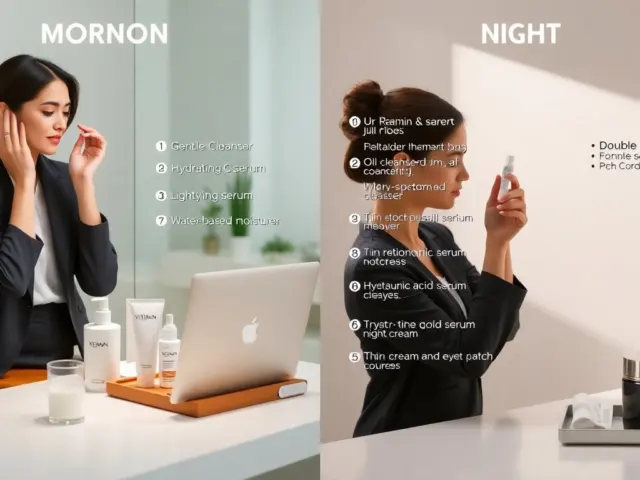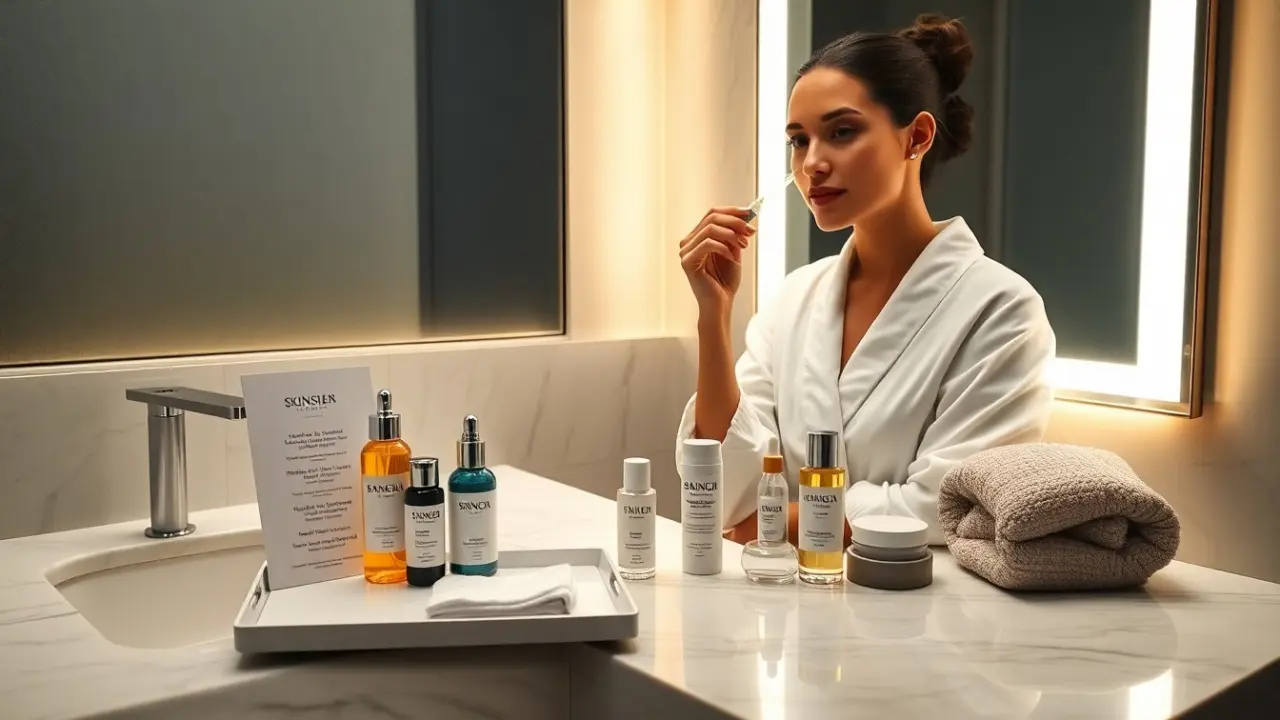
A night skin care routine for glowing skin prepares skin to repair while the body rests. The routine removes dirt, delivers active ingredients, and seals in moisture. It fits into seven clear steps. Each step helps the skin recover and glow by morning.
Key Takeaways
- A consistent night skin care routine for glowing skin enhances skin repair and boosts radiance by supporting natural overnight renewal.
- Start with double cleansing using an oil or balm cleanser followed by a water-based cleanser to effectively remove makeup, sunscreen, and impurities without stripping skin.
- Incorporate targeted treatments like retinoids, niacinamide, and peptides to address texture, tone, and firmness while minimizing irritation.
- Hydrate and moisturize by layering a hydrating serum, moisturizer, and an occlusive to lock in benefits and maintain skin barrier health overnight.
- Include weekly add-ons such as chemical exfoliants and masks tailored to skin type, and practice healthy nighttime habits like consistent sleep and hydration for long-term glowing skin.
Why A Night Routine Is The Key To Glowing Skin
Skin repairs and renews most during sleep. A night skin care routine for glowing skin supports repair by clearing pollutants and feeding cells. It reduces inflammation and boosts hydration overnight. Skin absorbs active ingredients more efficiently at night. A consistent routine improves tone, texture, and radiance over weeks. They should treat night care as maintenance, not an occasional fix.
Step 1: Double Cleanse The Right Way
Double cleansing starts with an oil or balm cleanser and finishes with a water-based cleanser. A night skin care routine for glowing skin begins with this step to remove sunscreen, makeup, and sebum. They should use gentle motions and avoid harsh scrubbing. Follow with a lightweight water cleanser to clear sweat and residue. Proper double cleansing prevents clogged pores and helps later treatments absorb.
Oil Or Balm Cleanser: What It Does And How To Use It
An oil or balm cleanser dissolves oil-based debris and makeup. Apply to dry skin and massage for 30–60 seconds. The oil binds to sunscreen and makeup and lifts it away. They should emulsify with a small amount of water before rinsing. This step primes the skin so a water-based cleanser can finish removal without stripping natural lipids.
Step 2: Apply Targeted Treatments — Retinoids, Niacinamide, And Peptides
Targeted treatments address specific concerns like texture, pigmentation, and firmness. A night skin care routine for glowing skin uses retinoids for cell turnover, niacinamide for tone correction, and peptides for collagen support. They should apply retinoids on dry skin to reduce irritation. Start retinoids slowly, two nights a week, then increase frequency. Use niacinamide after cleansing to calm redness and balance oil. Apply peptides before heavier moisturizers to aid absorption. If multiple actives are in use, they should space application or alternate nights to avoid irritation.
Step 3: Hydrate, Moisturize, And Lock In Benefits
Hydration and moisture form the foundation of a night skin care routine for glowing skin. Apply a hydrating serum that contains humectants such as hyaluronic acid. The serum draws water into the skin. Follow with a moisturizer that contains emollients to smooth and lipids to repair the skin barrier. Finally, use an occlusive product, like a thin layer of petroleum or a sleeping mask, to lock in moisture for the night. They should match product weight to skin type: light gel for oily skin and richer cream for dry skin.
Weekly Add-Ons And Nighttime Habits For Long-Term Glow
Weekly add-ons boost the effects of a night skin care routine for glowing skin. Use a chemical exfoliant once or twice a week to remove dead skin and reveal fresh cells. Use a gentle clay mask for oily skin or a hydrating mask for dry skin. Nighttime habits matter. They should sleep on a clean pillowcase, keep sleep time consistent, and avoid heavy meals late at night. Hydration during the day supports night repair. Limit alcohol and smoking, which impair skin recovery. Track results and adjust products every few weeks to match skin changes.