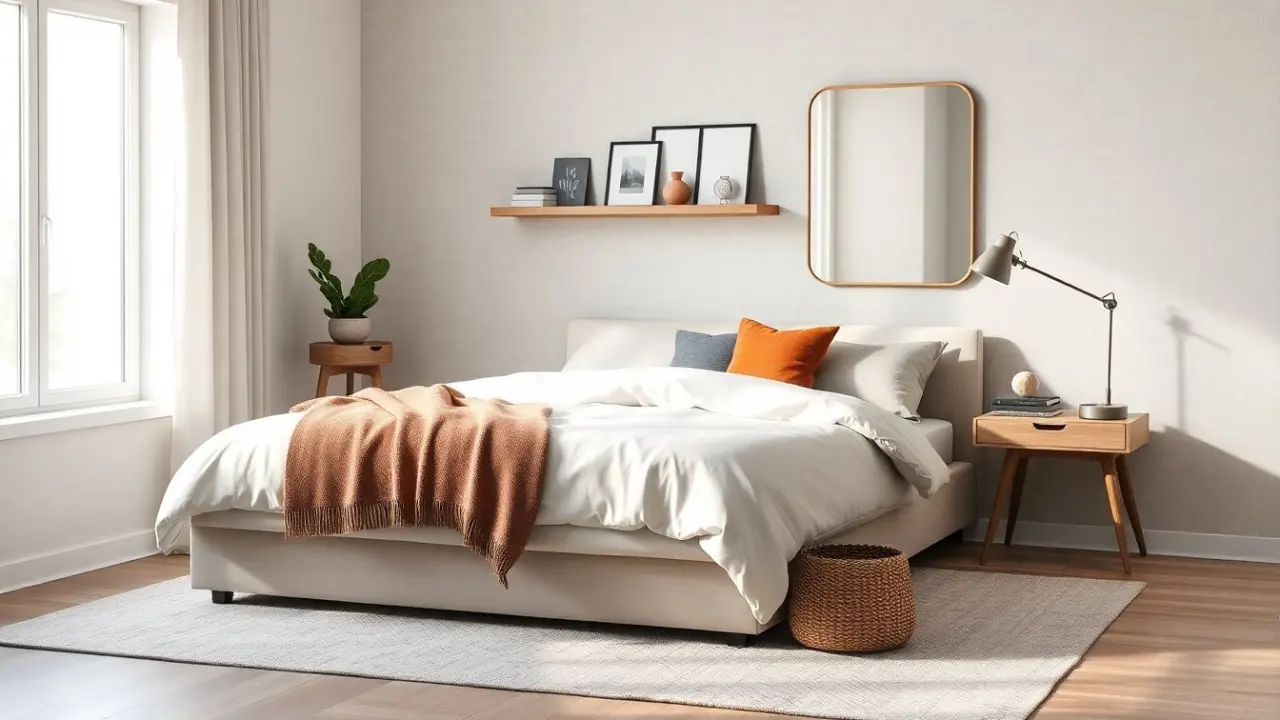
Aesthetic room ideas help people update their space with clear style choices. This guide shows seven looks they can use in 2026. Each section gives direct tips on color, furniture, storage, walls, textiles, and quick styling. The reader will find practical steps they can try in a weekend or over a month.
Key Takeaways
- Choosing a clear aesthetic, like minimal or cottagecore, helps maintain a consistent and stylish room update.
- Use a balanced color scheme with two main colors and one accent, combined with varied textures and layered lighting to create the right mood.
- Measure your space and select furniture that fits the room scale and promotes flow, prioritizing a focal piece to anchor the layout.
- Declutter regularly and use storage that complements the aesthetic to keep the room organized and visually calm.
- Enhance walls with well-placed art, mirrors, or plants to add personality without overcrowding the space.
- Refresh your room seasonally by swapping textiles and decor to keep the aesthetic fresh and inviting throughout the year.
Find Your Aesthetic: From Minimal To Cottagecore
People pick an aesthetic to guide choices and keep the room consistent. They test styles like minimal, scandi, cottagecore, modern farmhouse, and boho. They list what they like: colors, patterns, and mood. They gather three photos that match their taste. They remove items that do not match. They set a simple rule: two main colors and one accent. They repeat key textures across surfaces. They update one zone first, like the bed or the sofa, to see the look live before changing the whole room. A clear choice saves time and money.
Color, Texture, And Lighting Strategies That Build Mood
They choose color to set the room mood. They use a dominant neutral, a secondary tone, and one bright accent. They pick textures that add depth: wood, linen, and matte metal. They layer lights with three types: ambient, task, and accent. They install dimmers to control intensity. They place warm bulbs near seating and cool bulbs near work areas. They test paint samples on two walls and view them at night. They add a textured throw or woven basket to bring contrast. They keep colors balanced across walls, furniture, and small decor.
Furniture, Scale, And Layout Tips For A Cohesive Room
They measure the room before they buy furniture. They choose pieces that match the scale and leave clear paths. They pick a focal piece, like a bed or sofa, and place it first. They group seating to encourage conversation. They use rugs to anchor zones and to define scale. They select multiuse furniture, such as benches with storage or nested tables. They keep large pieces light in tone to make the room feel open. They test layouts on paper or with tape on the floor. They move one item at a time to avoid mistakes.
Storage Solutions And Decluttering To Keep The Aesthetic Intact
They clear clutter to maintain the aesthetic. They sort items into keep, donate, and recycle piles. They add closed storage for small items and open shelving for curated objects. They use baskets, labeled boxes, and drawer dividers to organize. They install hooks behind doors for bags and robes. They choose storage that matches the room style, such as rattan baskets for cottagecore or metal lockers for industrial looks. They schedule a 15-minute weekly tidy. They avoid displaying everything and rotate decor to keep surfaces calm and intentional.
Walls And Surfaces: Art, Mirrors, Wallpaper, And Plants
They plan walls to add personality without clutter. They hang one large art piece or a small, even grid to create focus. They place a mirror to reflect light and to make the room feel larger. They test peel-and-stick wallpaper on a single wall for pattern without commitment. They add plants for color and soft texture. They select frames and shelves that match the chosen color palette. They avoid low-quality prints that crowd the wall. They arrange art at eye level and balance wall weight by spacing items evenly across surfaces.
Textiles, Rugs, And Bedding — Layering For Comfort And Style
They layer textiles to increase comfort and style. They start with a quality base like a solid duvet or sofa cover. They add a textured throw, a patterned pillow, and a soft rug. They choose rug size to fit furniture legs or to float with a clear margin around edges. They mix textures like wool, cotton, and velvet in small groups. They keep patterns in a limited palette to avoid visual noise. They wash bedding and rotate throws seasonally. They pick pillow sizes that create balance: larger at the back, smaller in front.
Easy Styling Tricks And Seasonal Updates To Keep It Fresh
They update the room with small seasonal swaps. They change pillows, throws, and a few decor items each season. They switch art or add a seasonal wreath for quick change. They use trays to group small items and to change displays fast. They add a scented candle or room spray that fits the season. They keep a simple checklist: rotate textiles, refresh plants, and check lighting. They shop one statement piece per season rather than many small items. They tidy high-traffic zones weekly to keep the aesthetic visible and calm.